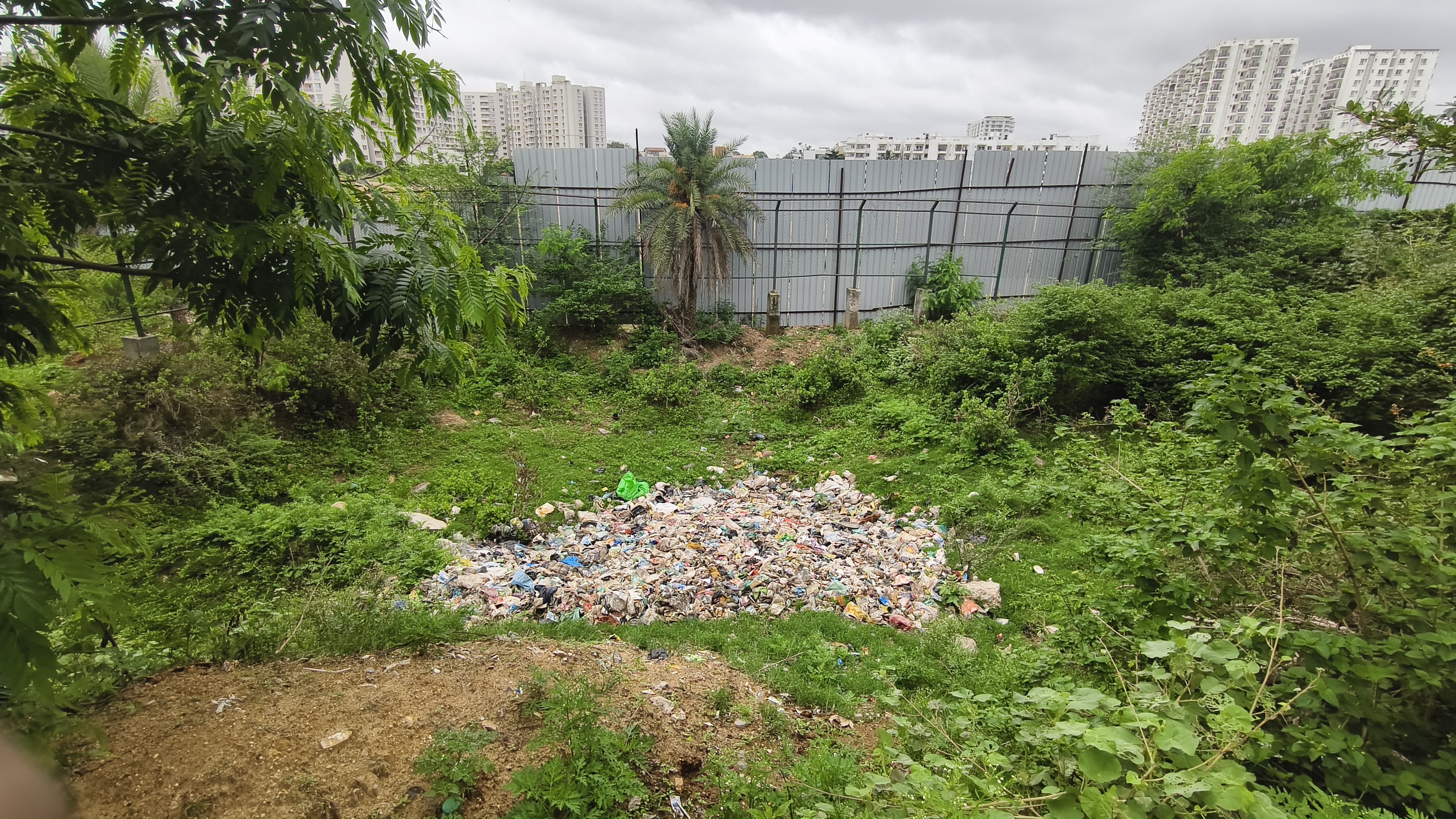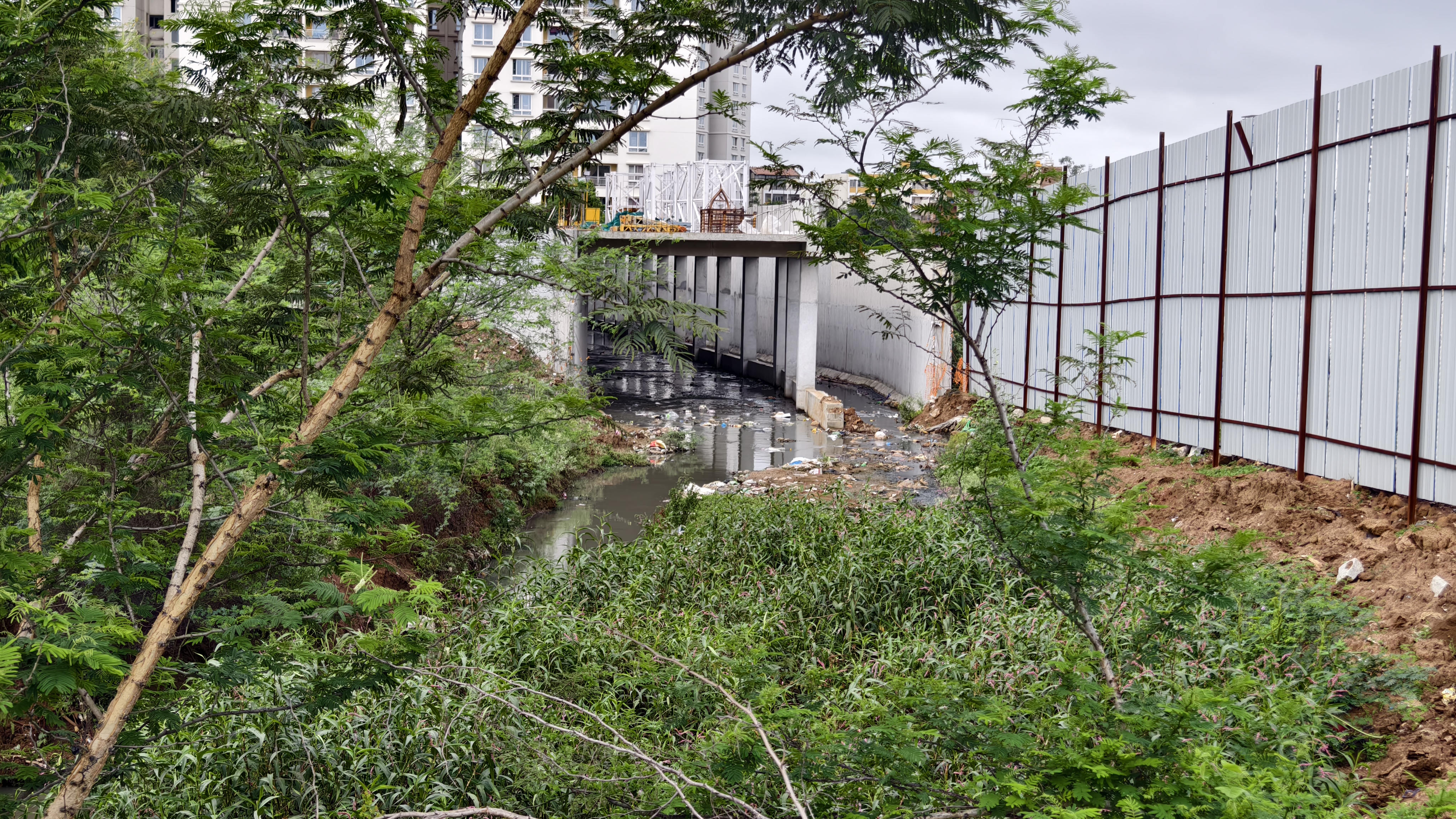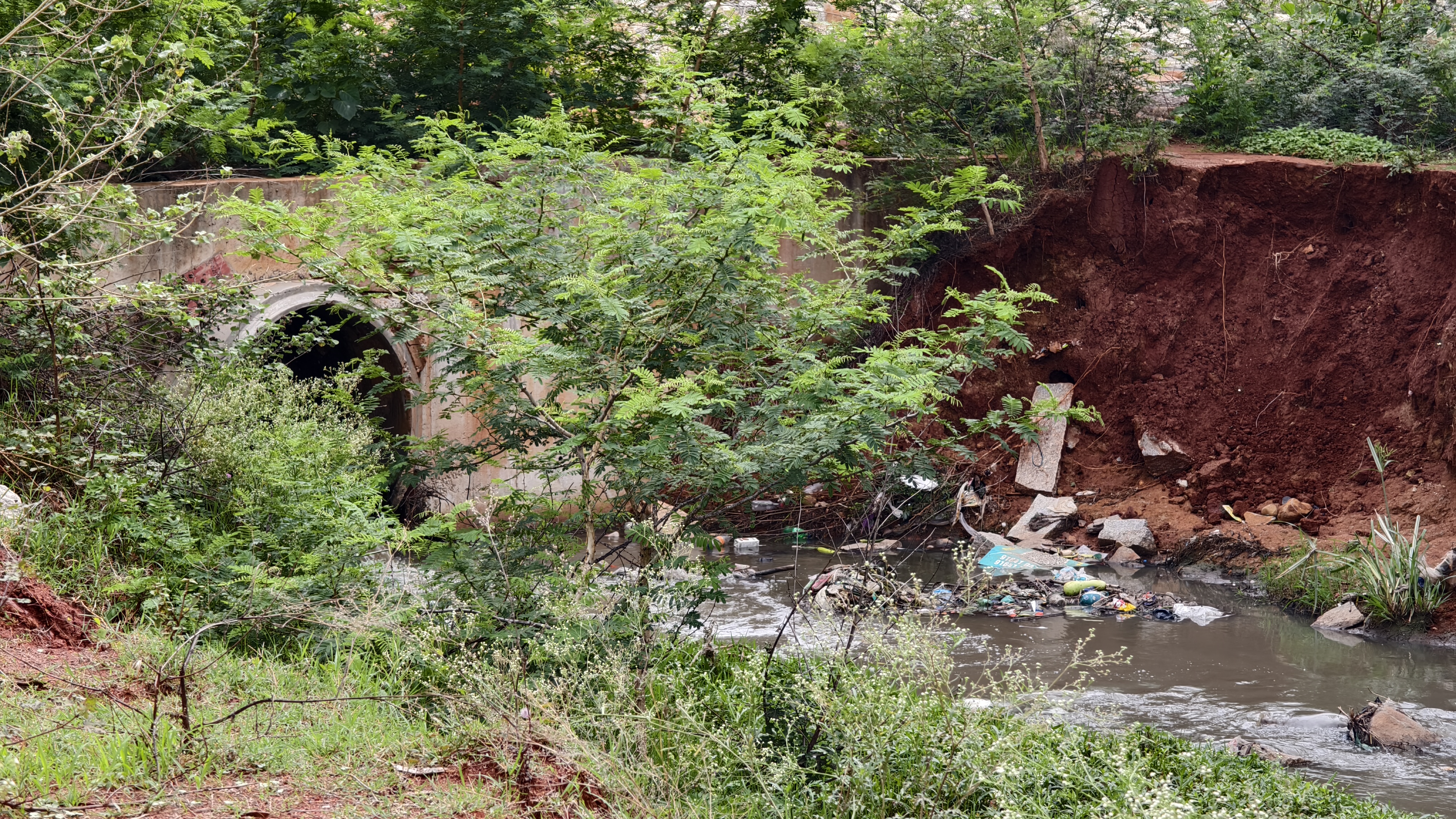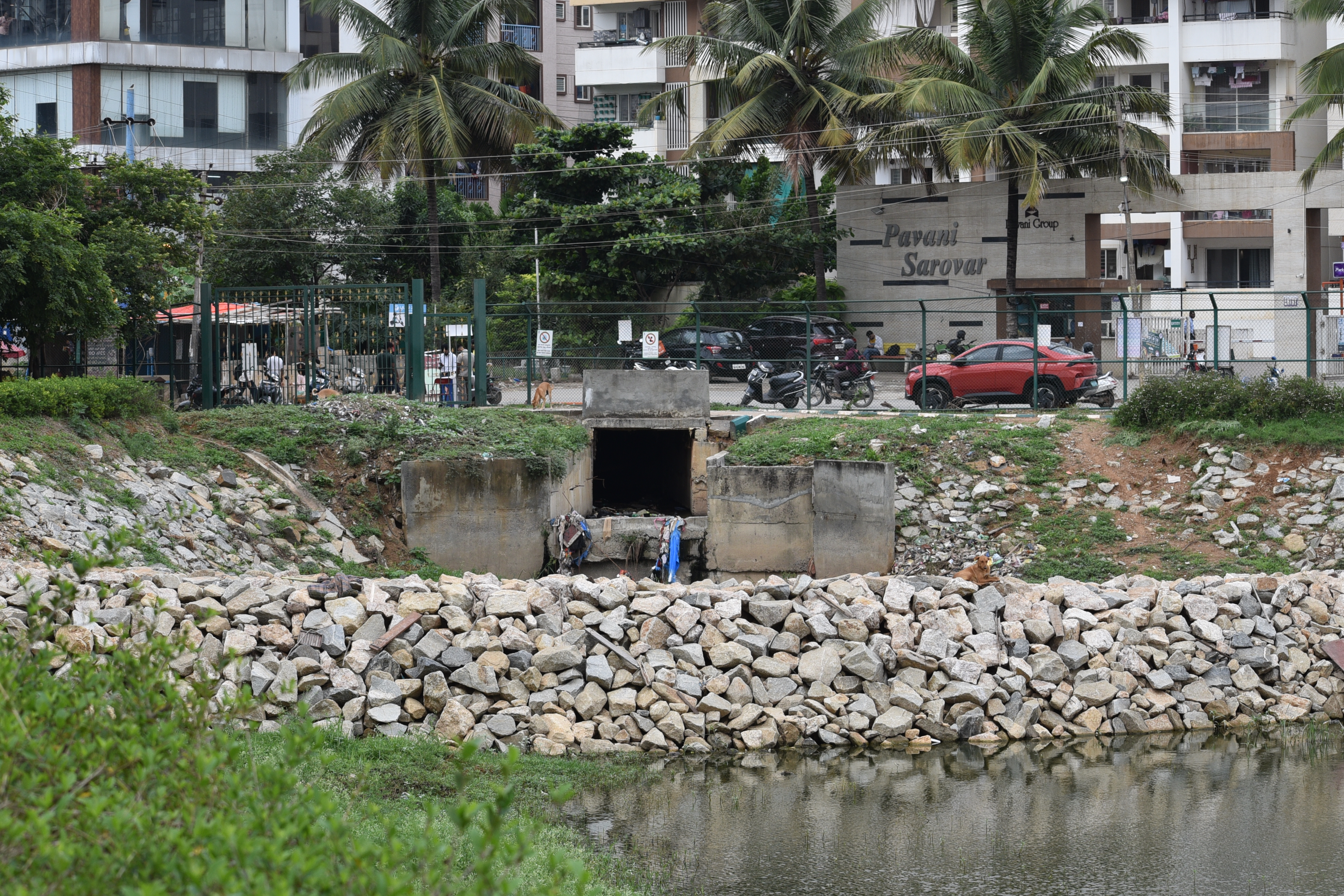

Blue Green Bengaluru: Rejuvenating the nallahs of Nallurhalli lake

Project Information

Nallahs, as upstream components of the urban hydrological system, carry pollutants into larger water bodies, making source-level treatment critical for addressing water pollution and groundwater contamination. This proposal focuses on rejuvenating nallahs of Nallurhalli lake in Bengaluru through nature-based solutions using the 4P framework—Protect, Preserve, Promote, and Participate.

The Nallurhalli Lake inlets and outlet rejuvenation project was undertaken as a pilot intervention within a 15-minute neighbourhood, demonstrating the 4P framework—Protect, Preserve, Promote, and Participate for nallah rejuvenation through nature-based solutions.

Specifically, the project aimed to:
  • Improve water quality and reduce pollution loads entering Nallurhalli Lake by intercepting solid waste and treating inflows at source
  • Ecologically strengthen lake inlets and outlets through non-concretised, flood-resilient, and native landscape interventions
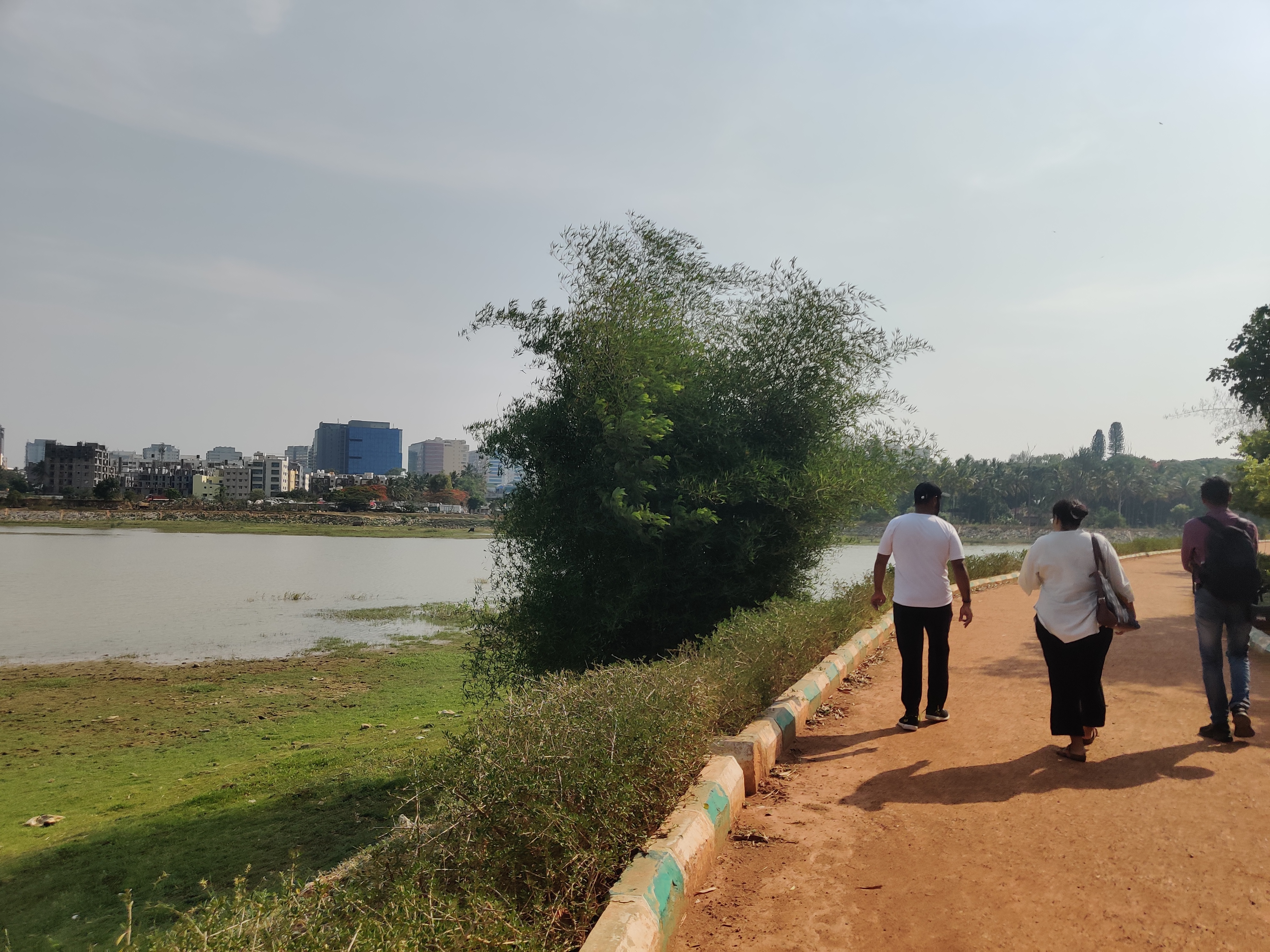
  • Enhance public access and everyday usability of the lake edges as part of local neighbourhood infrastructure
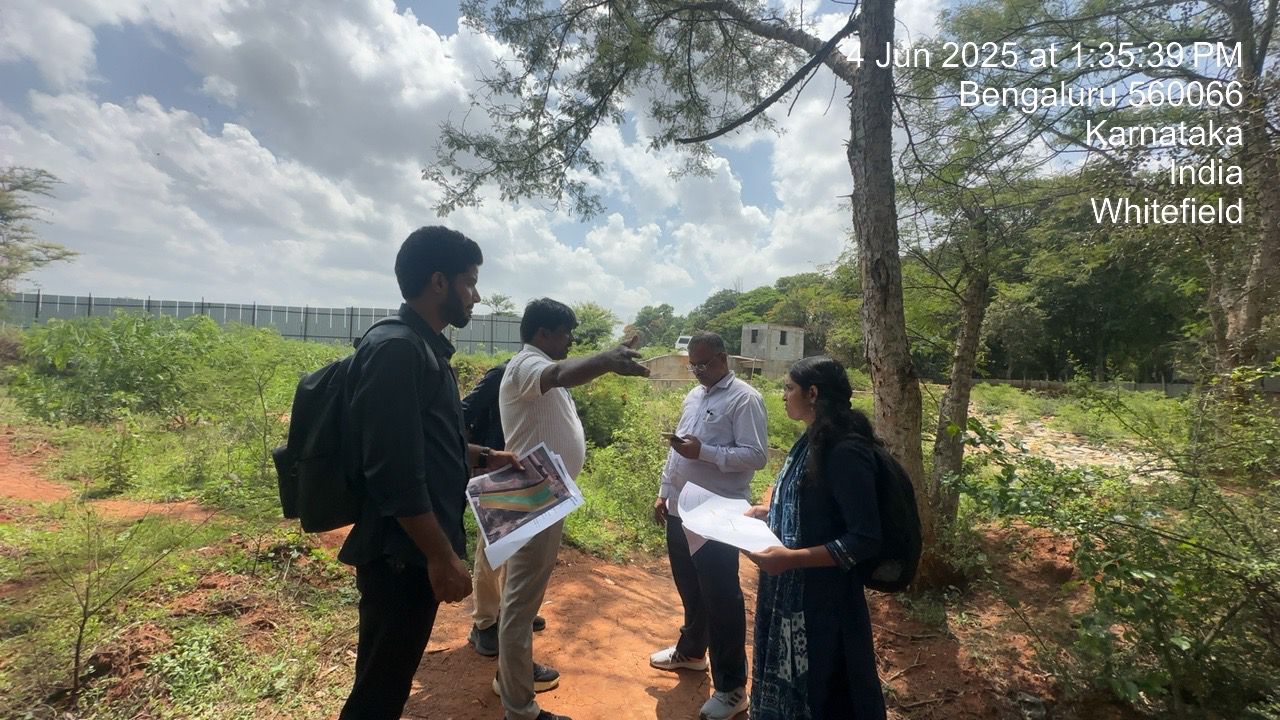
  • Co-create solutions with local communities and institutions, building awareness, ownership, and long-term stewardship
  • Develop a technically robust concept that can be implemented with government approvals and replicated across similar urban nallahs in Bengaluru

Key components

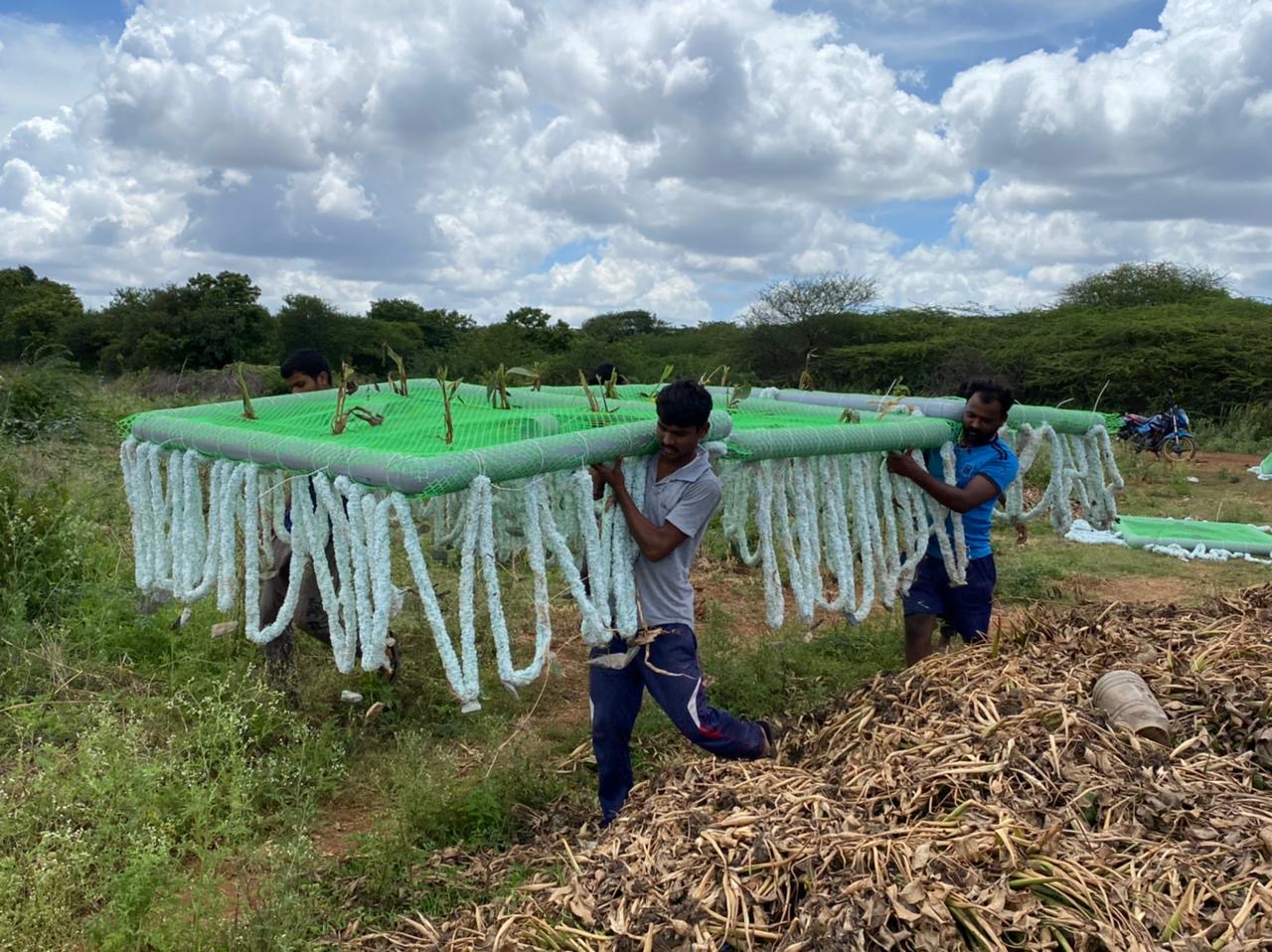
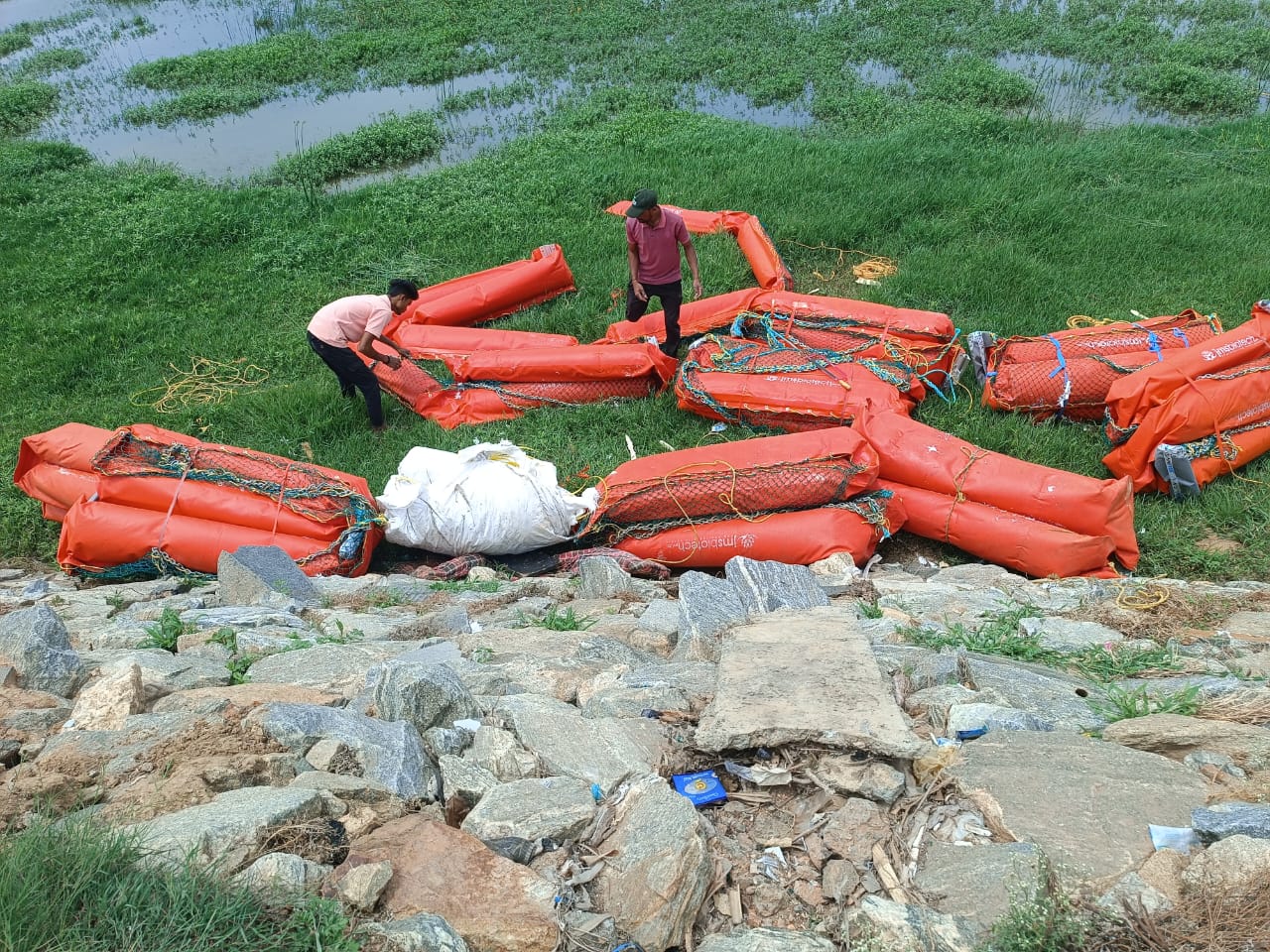
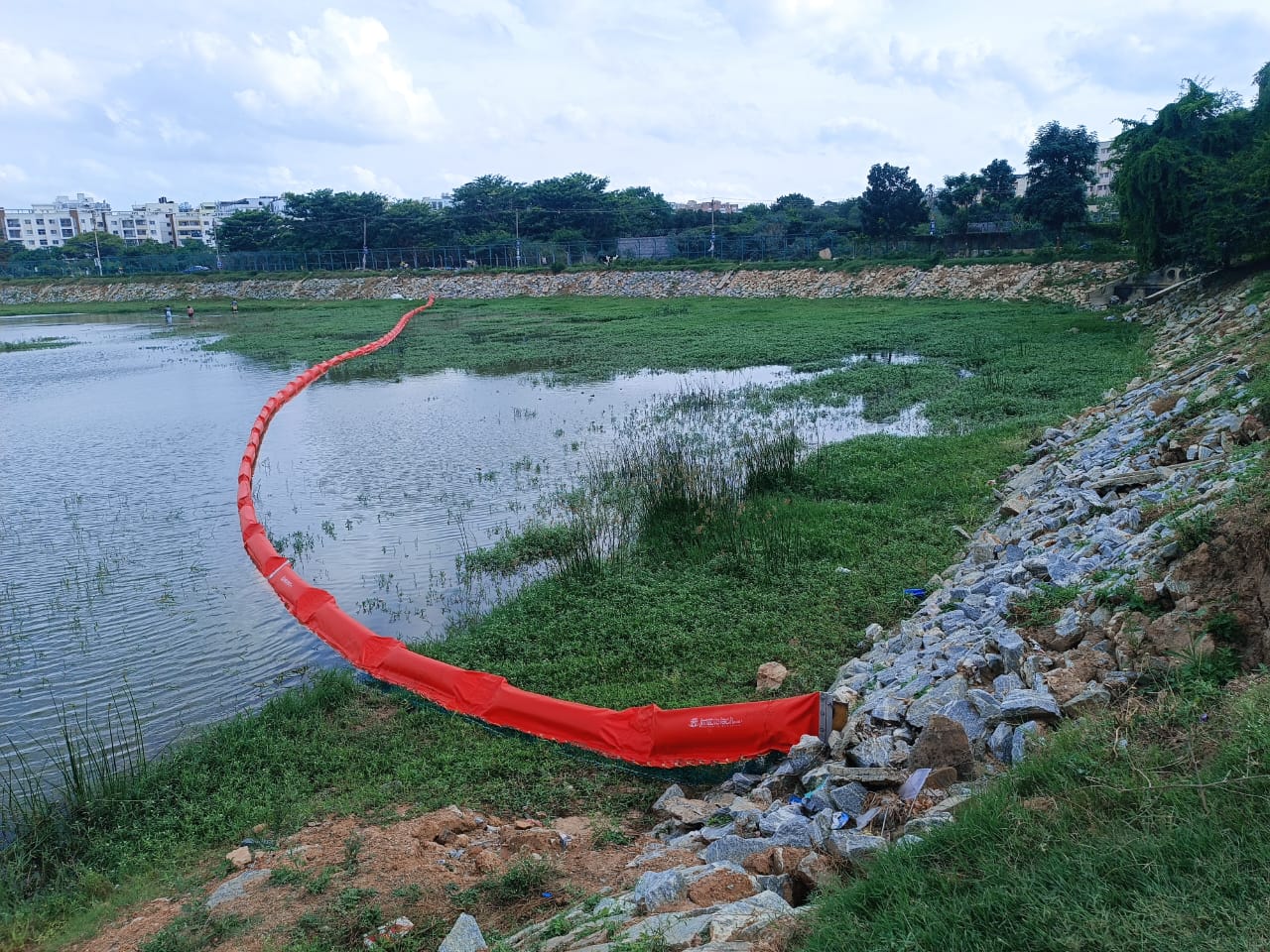
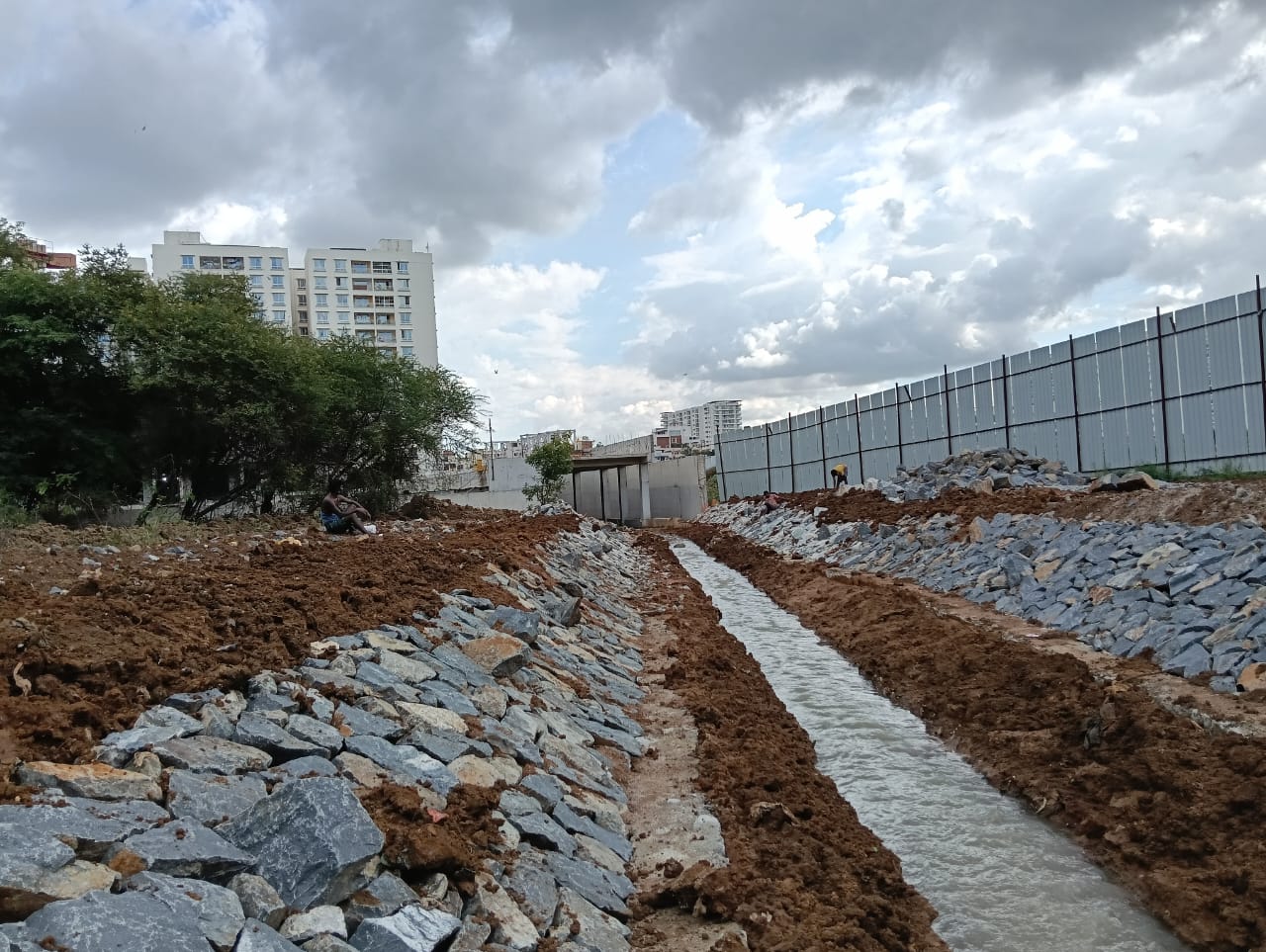
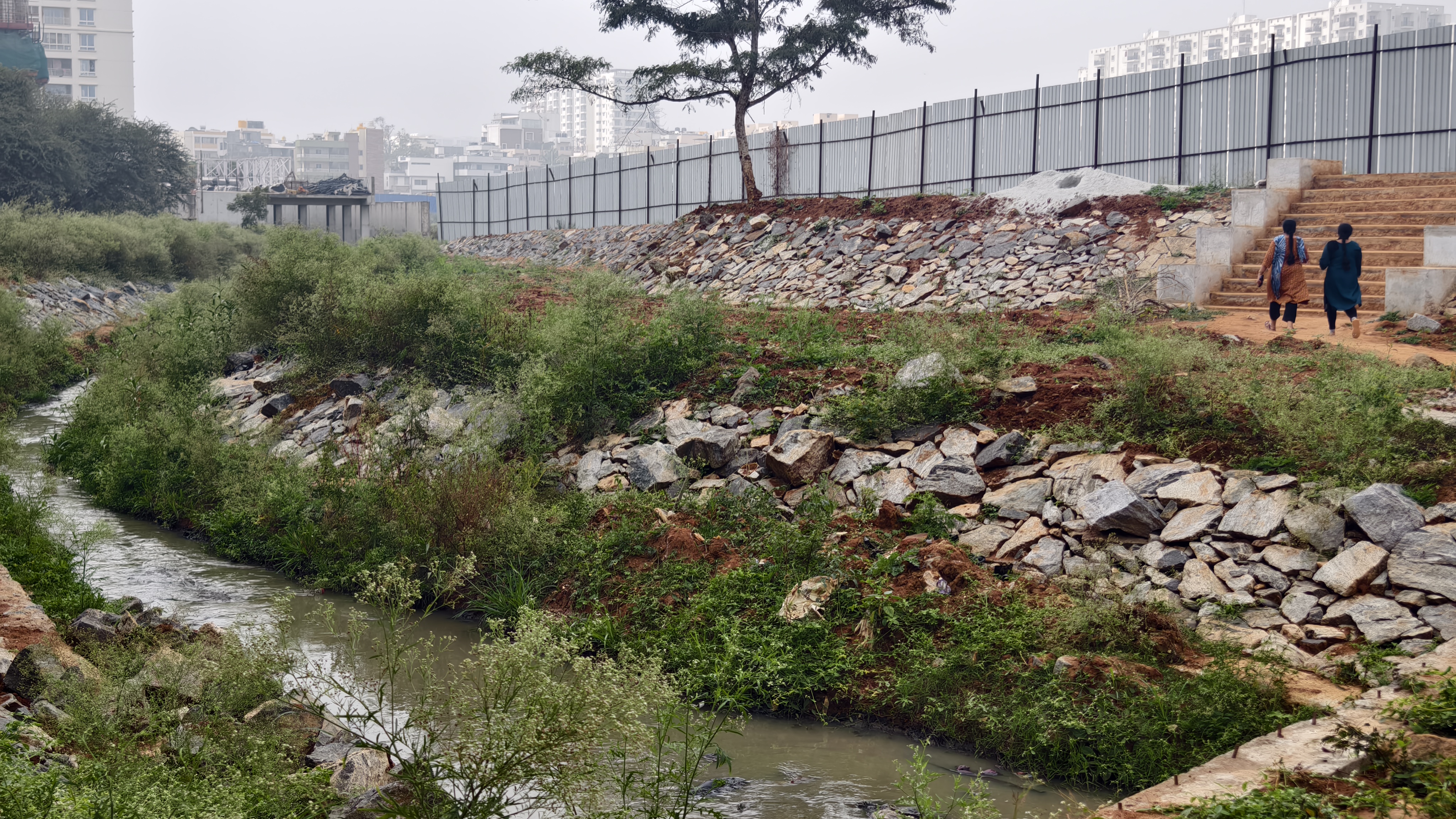
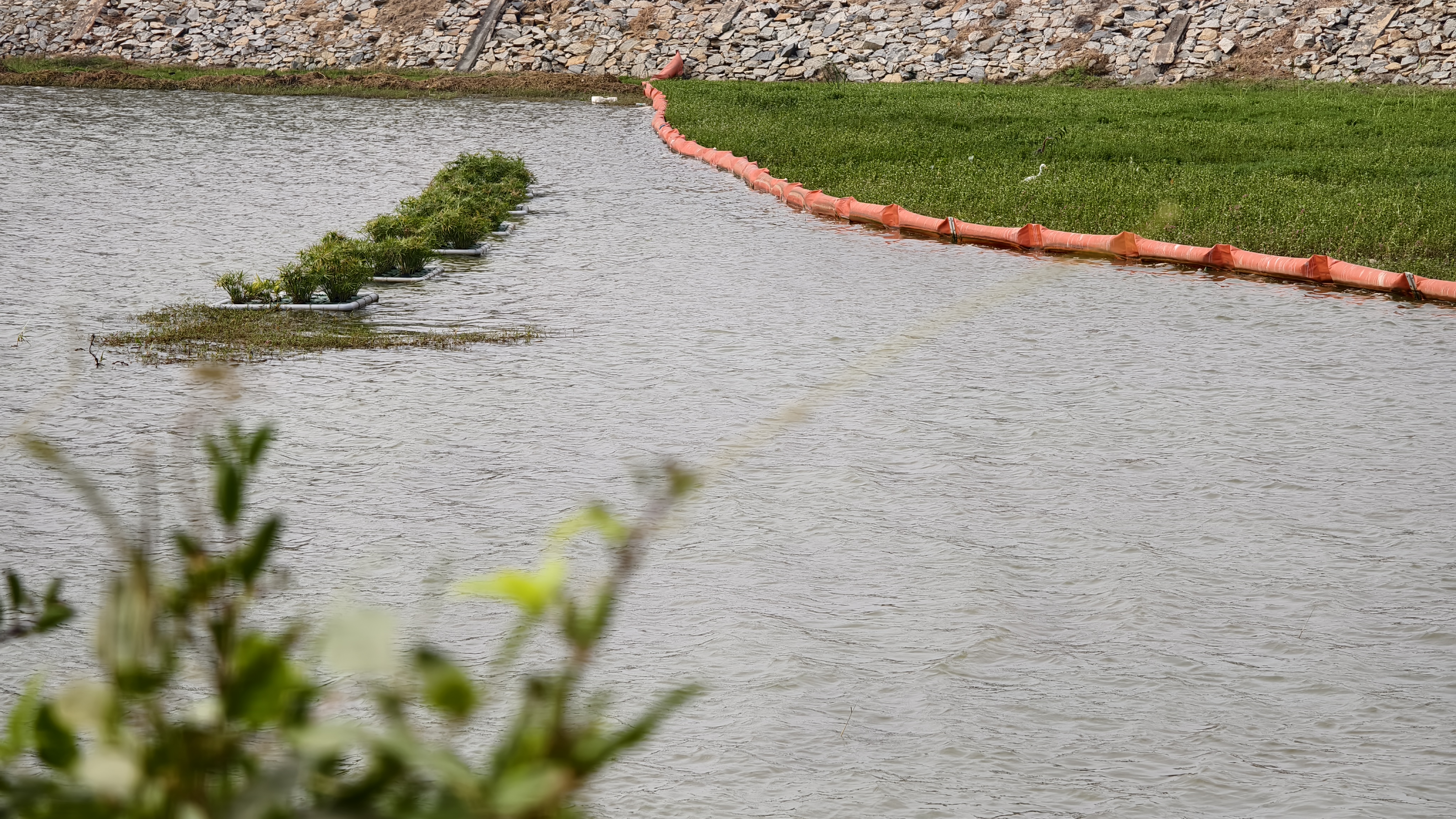
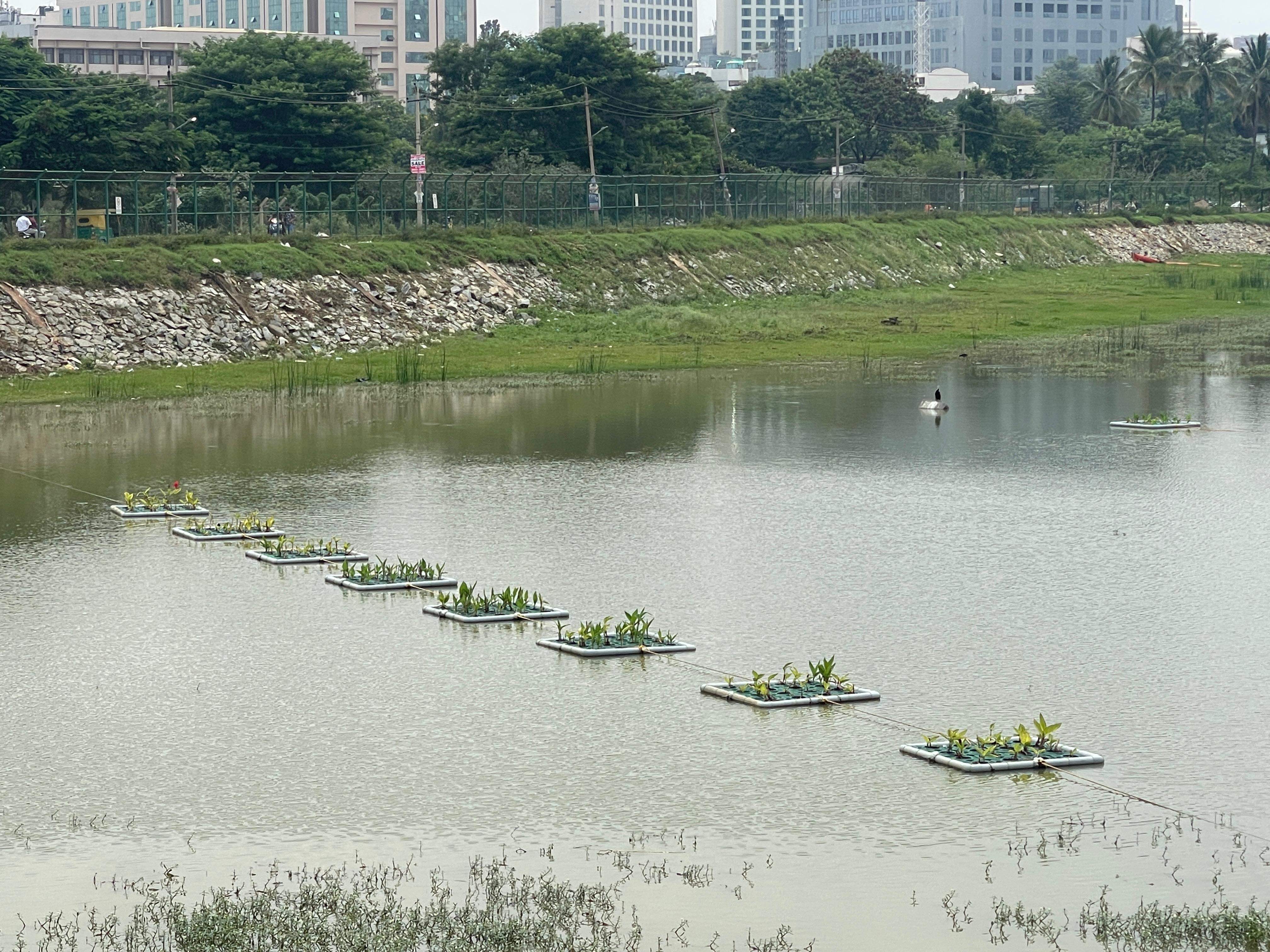
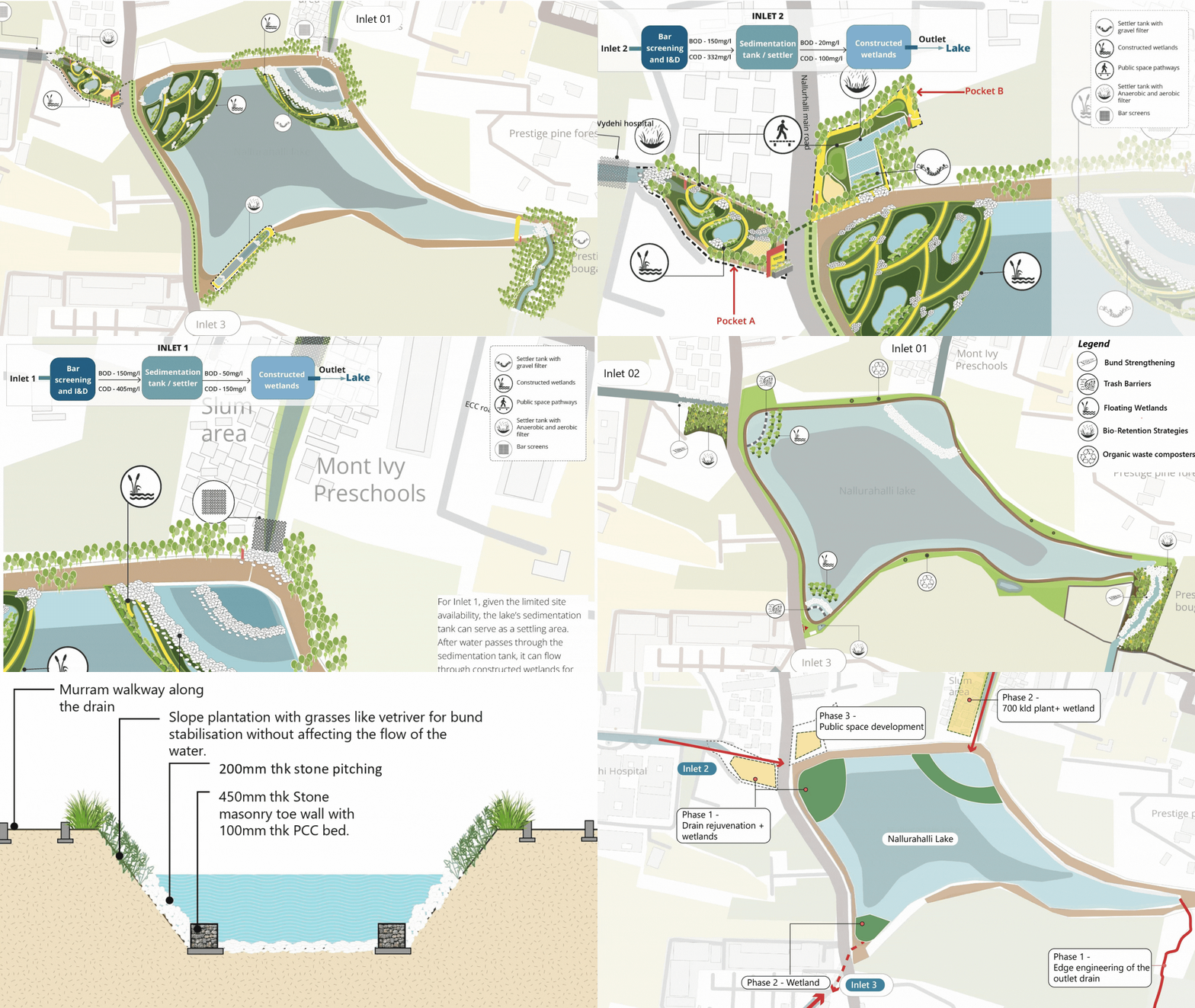
  • Nature-Based Drain Infrastructure: Trash barriers at all three inlets, 48 m² of floating wetlands for in-situ water treatment, and a 120 m long vegetated, stone-pitched outlet channel for erosion control and regulated discharge.
  • Ecological Restoration: Plantation of native grasses and shrubs to create green buffers, stabilize slopes, and enhance local biodiversity.
  • Youth & Community Engagement: Environmental learning sessions conducted for 550+ school students to build long-term stewardship and water literacy.
  • Knowledge Creation: Launch of the draft working paper “Rebuilding Urban Drainage Systems: Learnings from Nallurhalli Nallah Rejuvenation” to document project insights and promote climate-resilient drainage practices.
  • Stakeholder Convening: City-level dialogue through the convening “Nature-based Solutions for Bengaluru: Reflections on Drainage” with 120+ participants and 20+ speakers to mainstream NbS in urban drainage discourse.

Outcomes

  • Hydraulic Performance: Outlet drain capacity increased from 35 MLD to 91 MLD (~160% increase), reducing flood risk, improving self-cleansing, and ensuring long-term resilience.
  • Water Quality Improvement: Post-implementation monitoring (Oct & Dec 2025) shows reduced BOD and total coliform levels, stable pH and EC, and increased dissolved oxygen, indicating improved in-lake purification and stabilization. Integrated Catch–Treat–Convey system (trash barriers, FTWs, and nature-based outlet) demonstrated measurable pollutant reduction and enhanced retention and treatment efficiency.
  • Ecological Restoration: 11 new biodiversity species planted and 2,250 sqm of invasive vegetation cleared to strengthen riparian and aquatic ecology.
  • Community Outreach: 1,000 households targeted through surveys, 556 students sensitized, and 120+ participants engaged through the “Nature-based solutions for Bengaluru – Reflections on drainage” convening.
  • Sustained Maintenance: A one-year maintenance contract has been instituted to ensure regular upkeep, performance monitoring, and long-term functionality of all implemented interventions.

Ongoing work at site and post-transformation.

LocationBengaluru, Karnataka

Duration2024 - 2025
CollaboratorsMercedes-Benz Research and Development India (MBRDI), Consortium for DEWATS Dissemination India (CDD India), Stormwater department and lakes department in Bruhat Bengaluru Mahanagara Palike (BBMP)