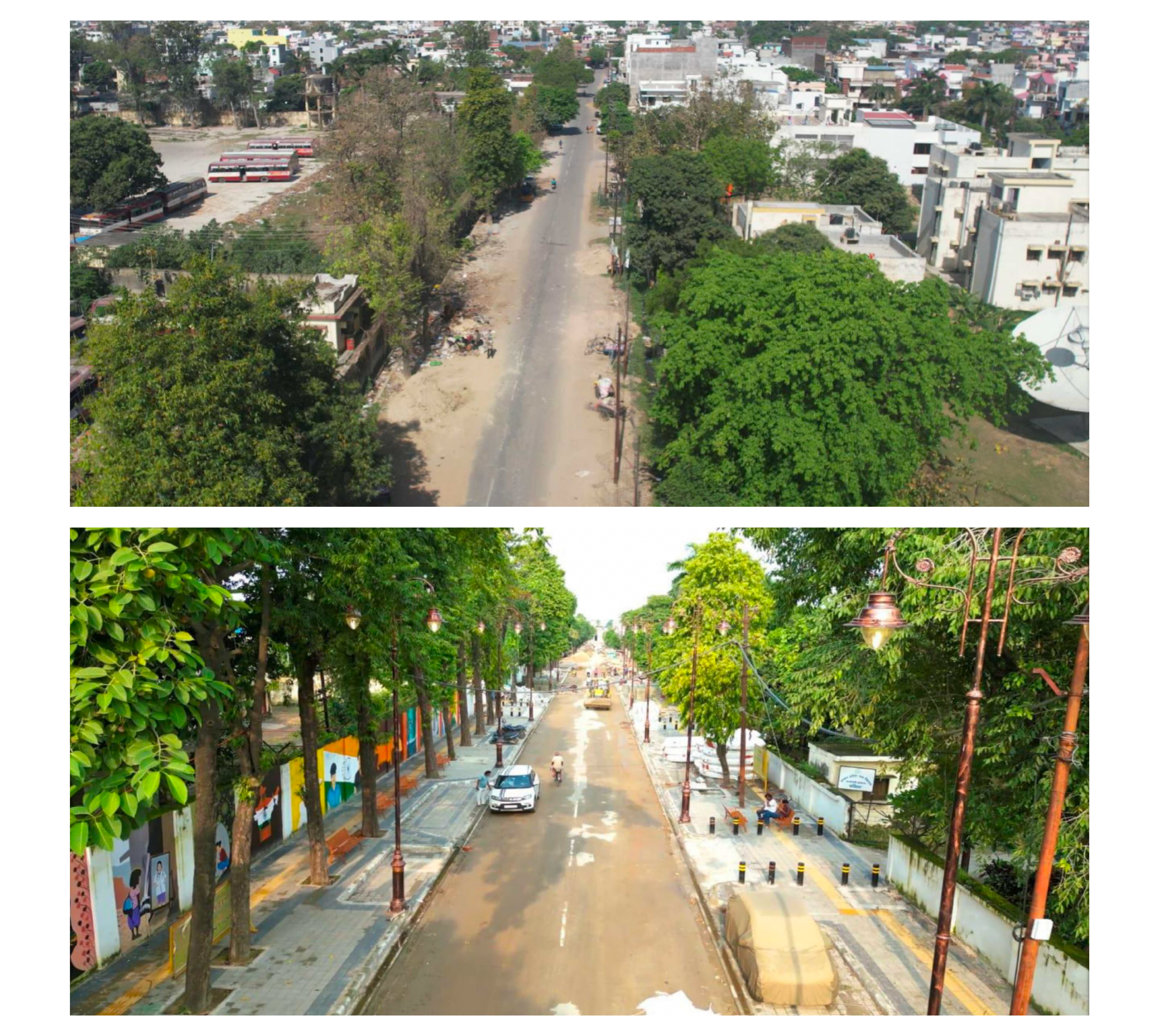

The Chief Minister Green Road Infrastructure Development Scheme (Urban) is a flagship initiative of the Urban Development Department, Government of Uttar Pradesh, aimed at transforming urban roads into integrated, safe, inclusive, and sustainable complete streets.. The scheme is being implemented across 17 Municipal Corporations in Uttar Pradesh. Roads are strategically selected based on their urban importance and footfall, with priority given to corridors adjoining hospitals, institutional buildings, commercial areas, markets, and major transportation hubs. In the current phase, a total of 151 roads (51 + 51 + 49 across phases) have been identified for intervention. Each selected road has a distinct character and local context, varying in land use, right of way, traffic patterns, and surrounding activities. Accordingly, every road is planned and designed as a context-sensitive complete street, responding to its unique functional, social, and spatial requirements.
Jana Urban Space Foundation supports the Government in the end-to-end implementation of CM-GRIDS (Urban) by providing technical assistance to Urban Local Bodies, reviewing feasibility reports and DPRs, facilitating approvals through the online portal, supporting tendering processes, and monitoring construction through quality checks, geo-tagged reporting, and inter-departmental coordination. The PMU also plays a key role in capacity building, documentation, and post-implementation impact assessment to ensure projects achieve their intended financial, social, environmental, and economic outcomes.
The scheme is implemented under the guidance of the Urban Road Infrastructure Development Agency (URIDA), the nodal agency responsible for standards, approvals, funding management, and overall coordination of CM-GRIDS (Urban) across the state.
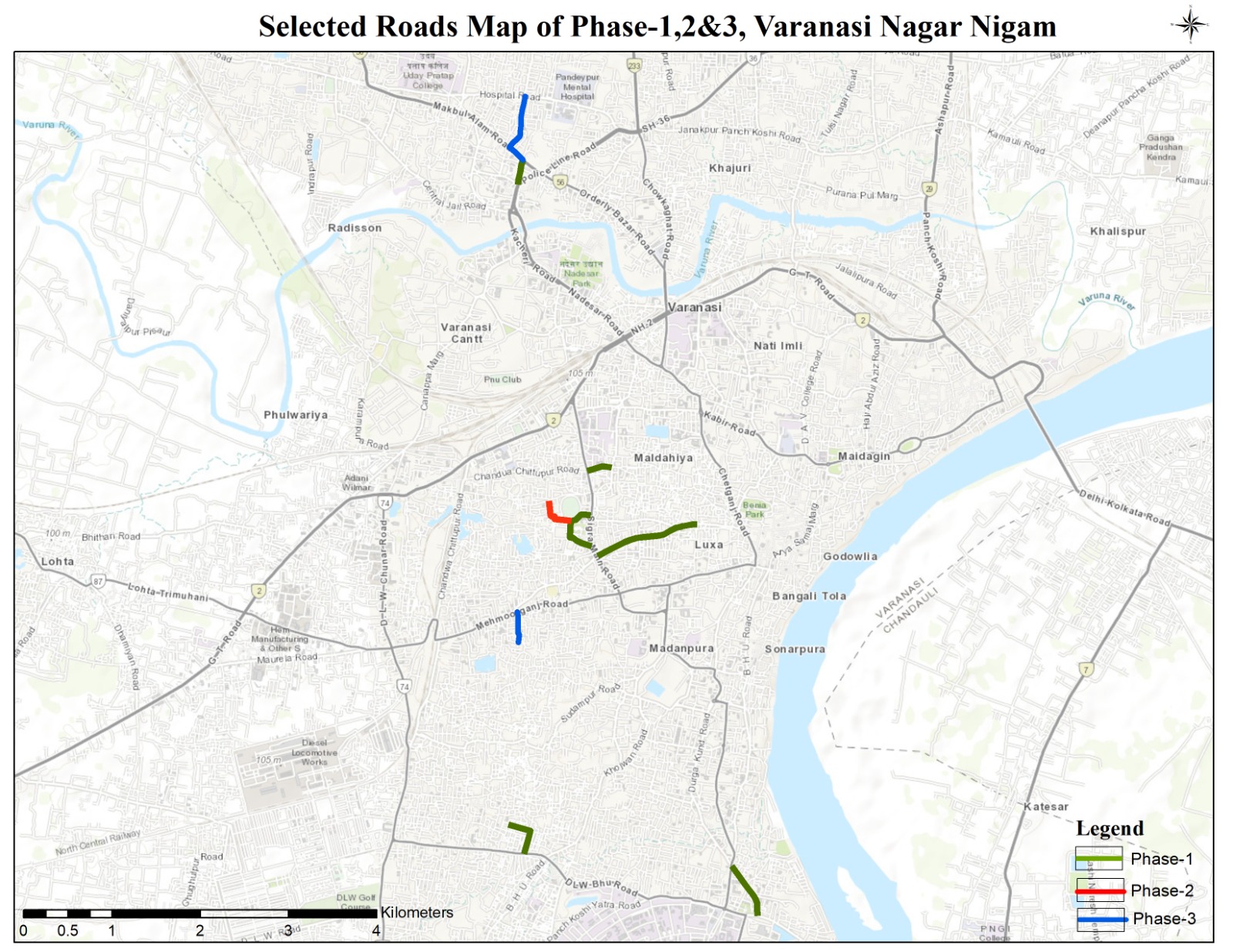
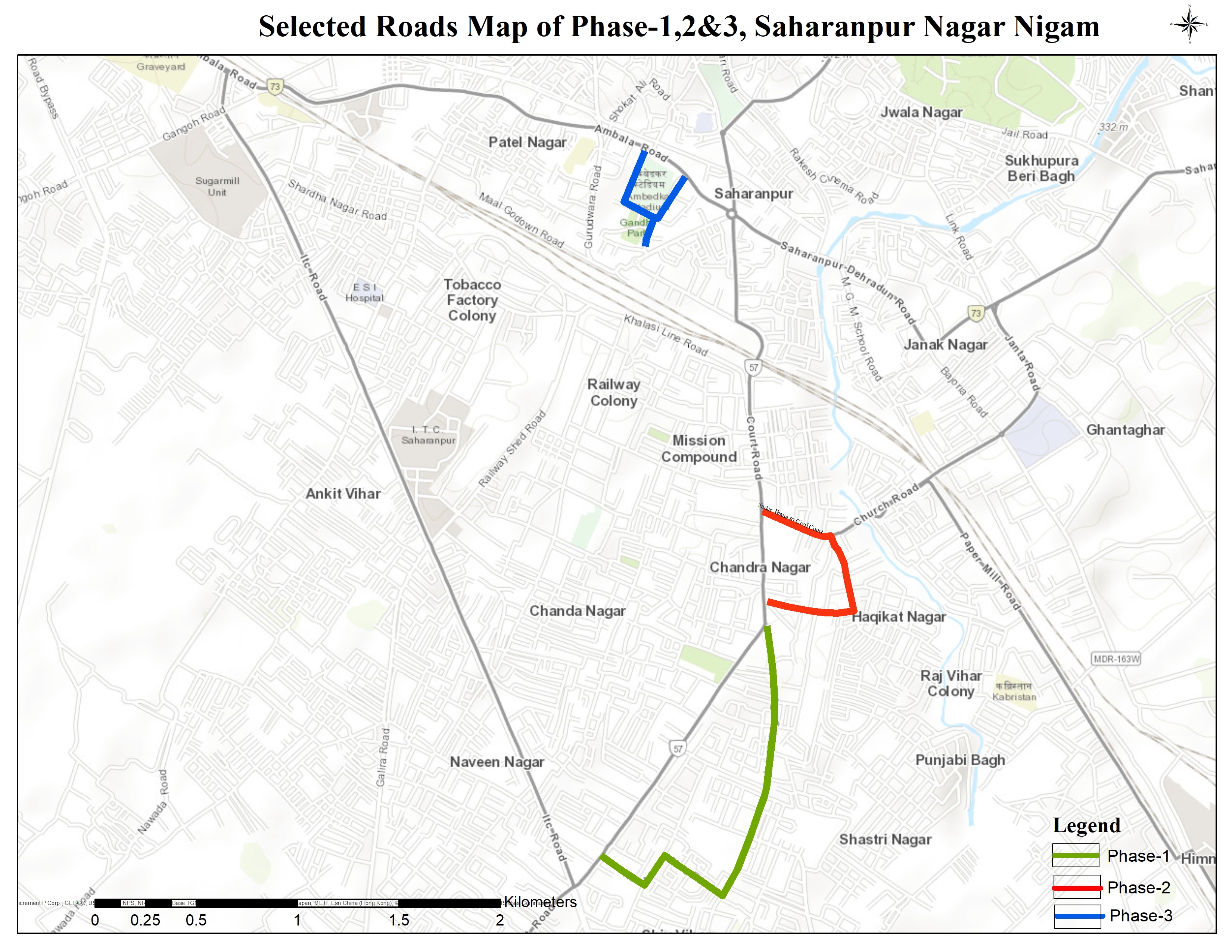
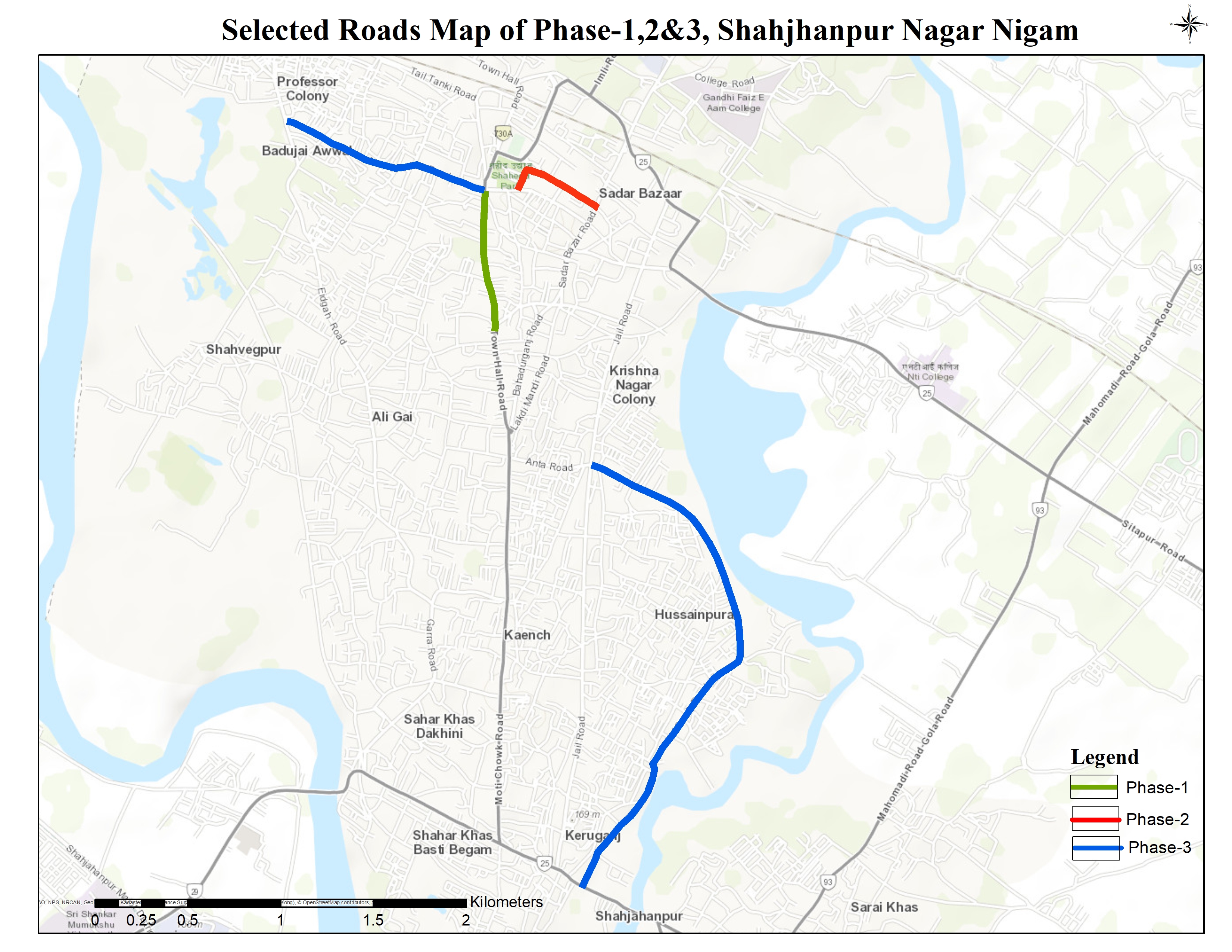
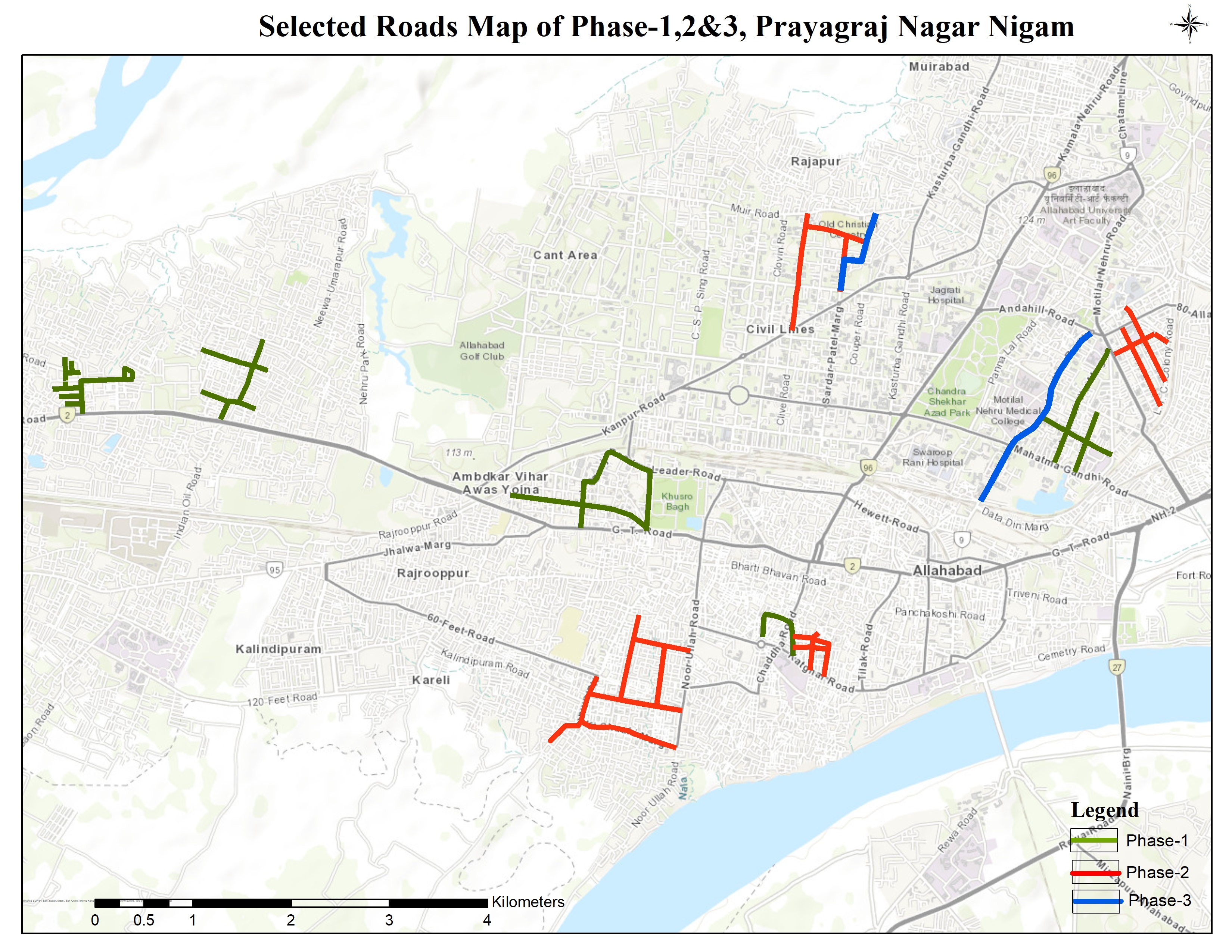
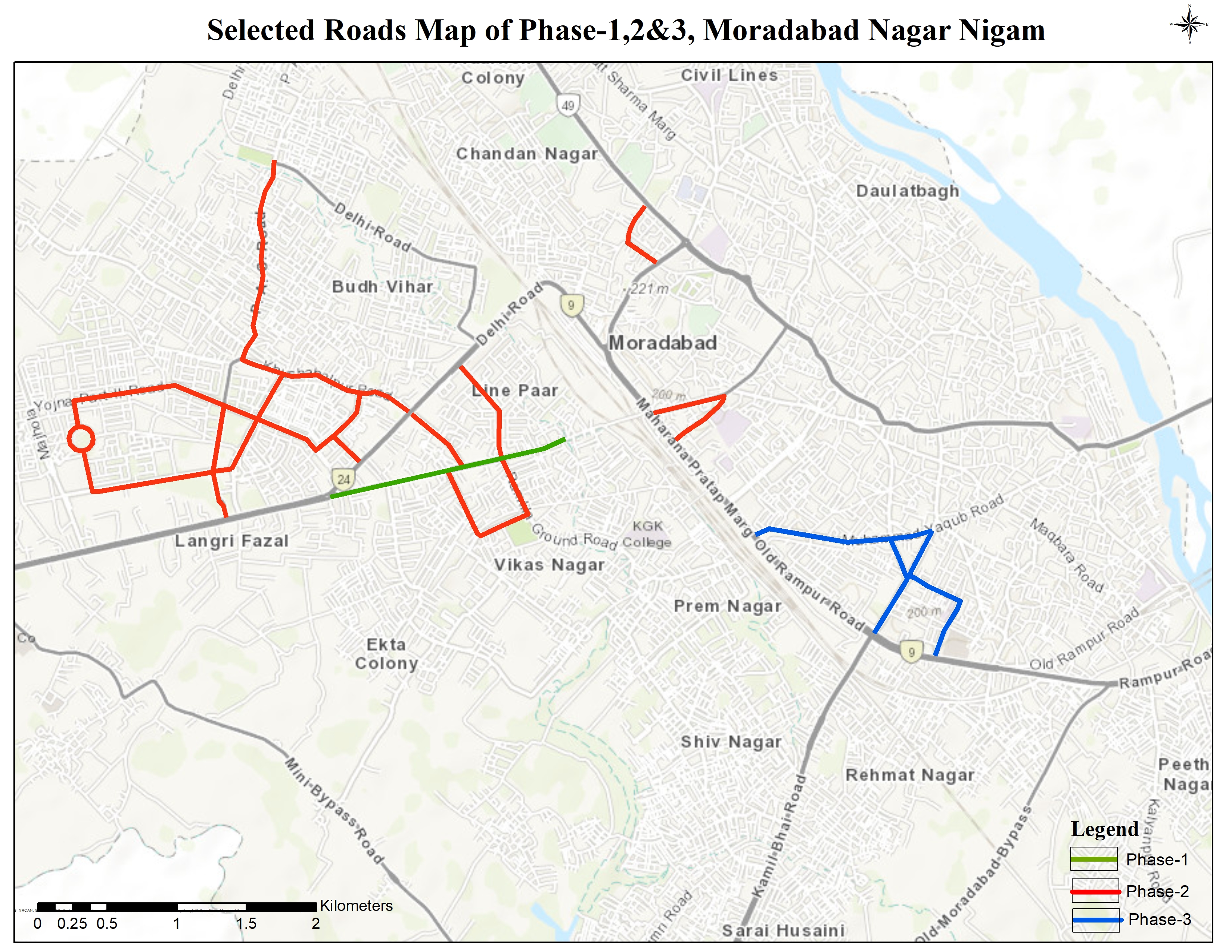
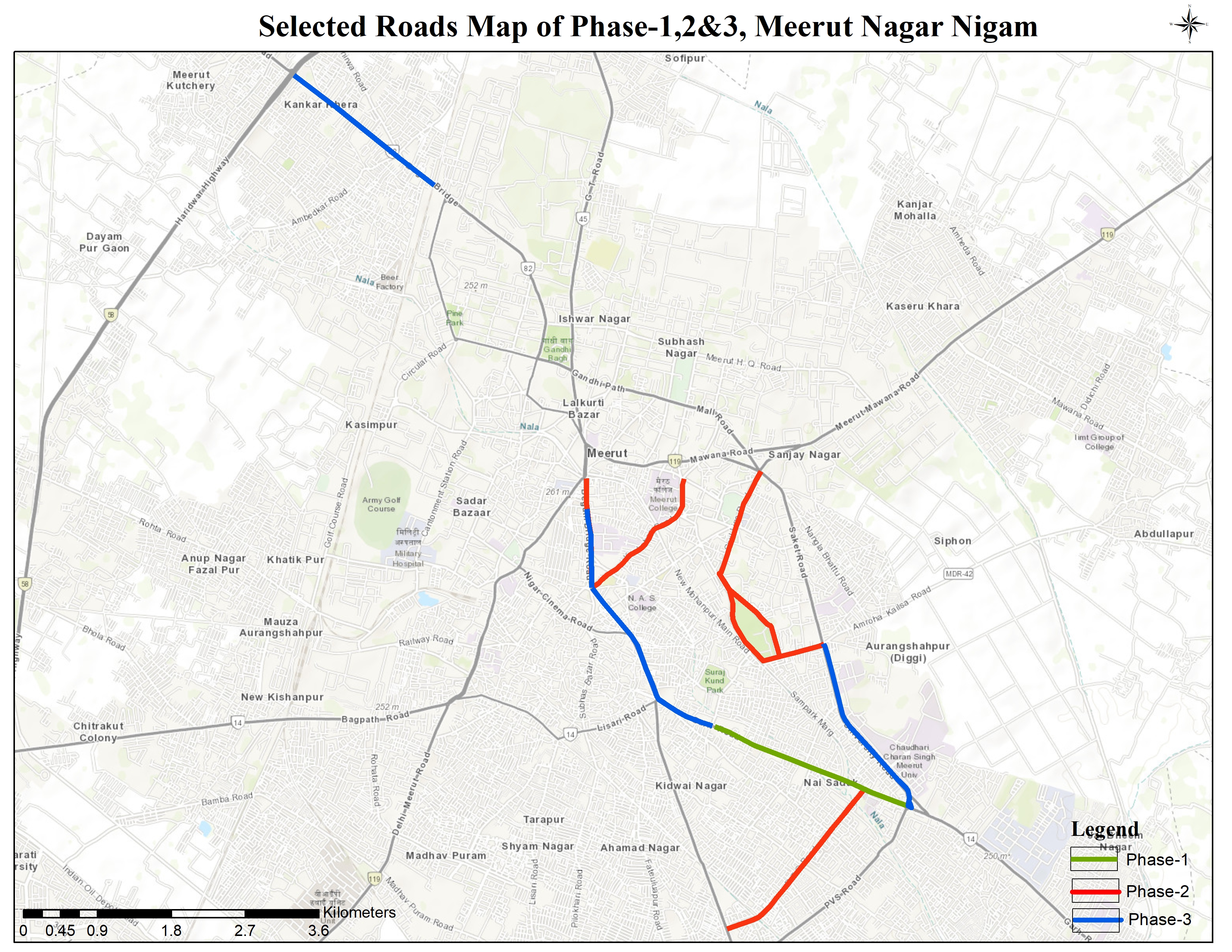
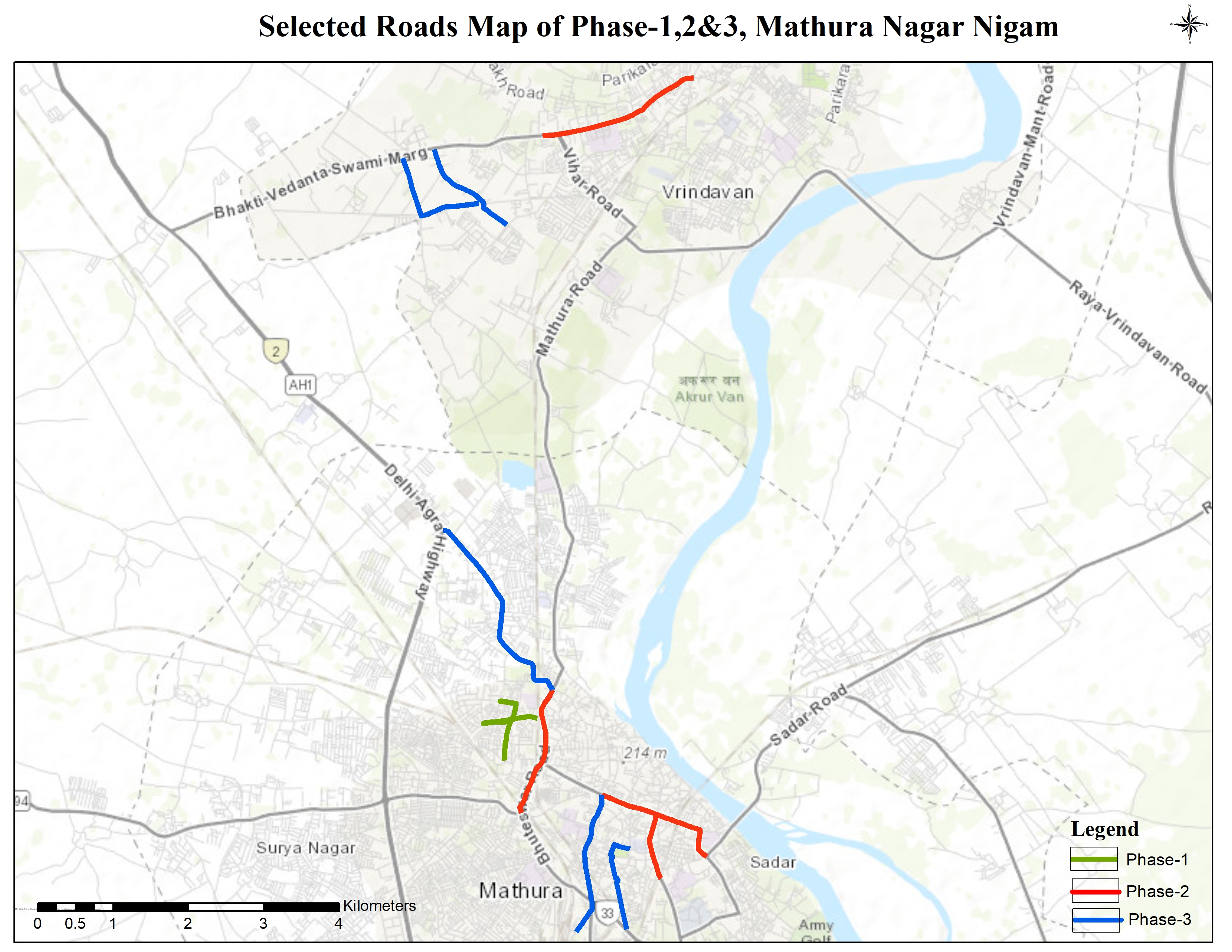
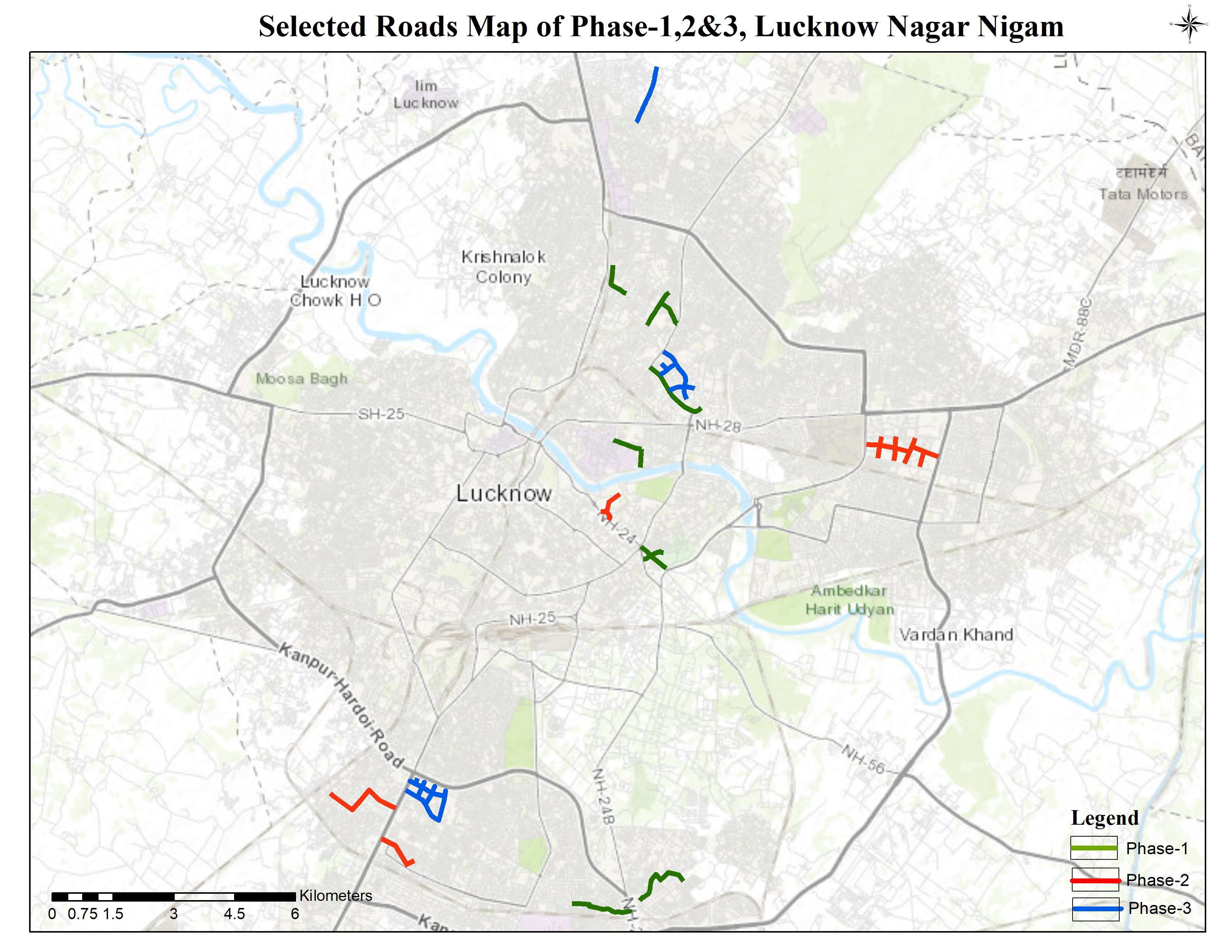
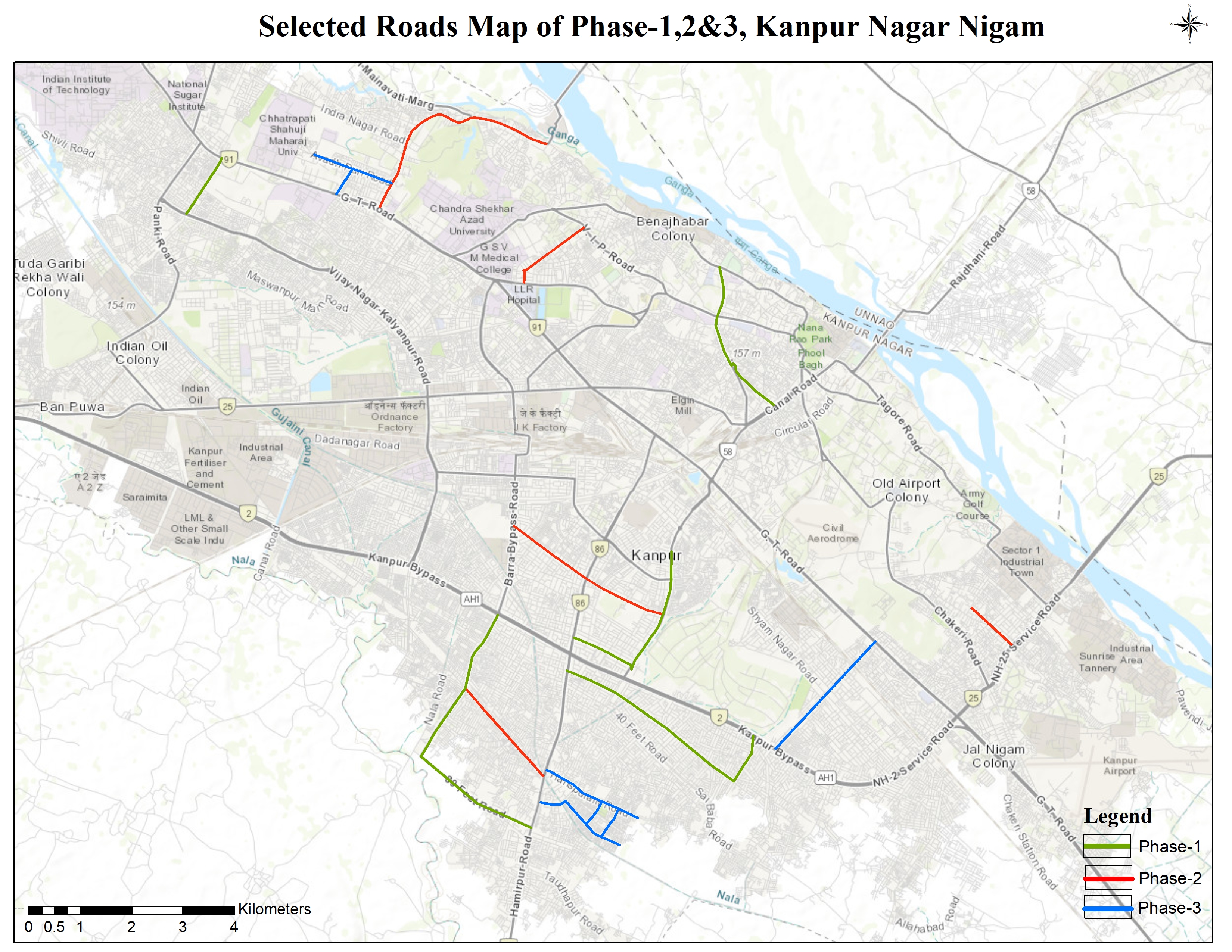
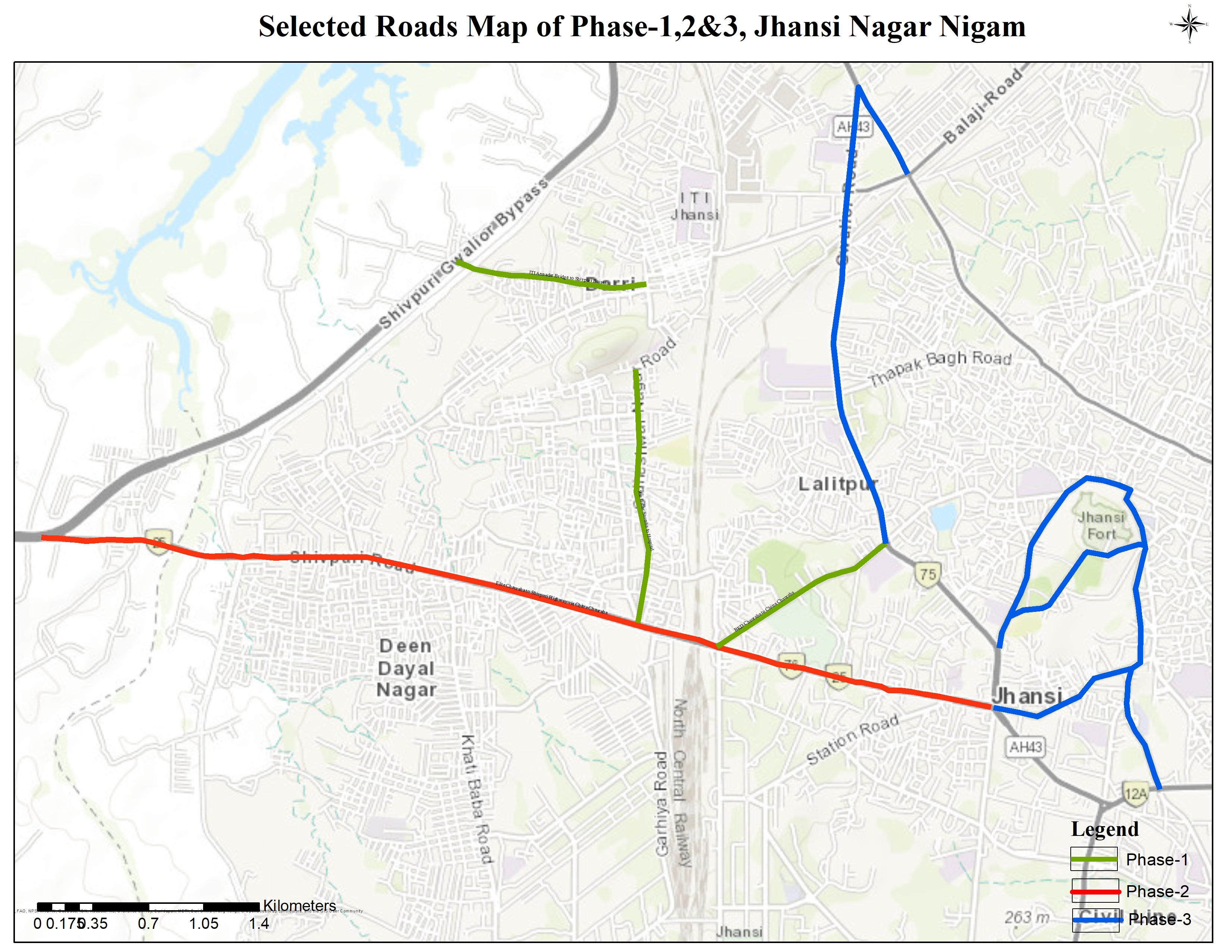
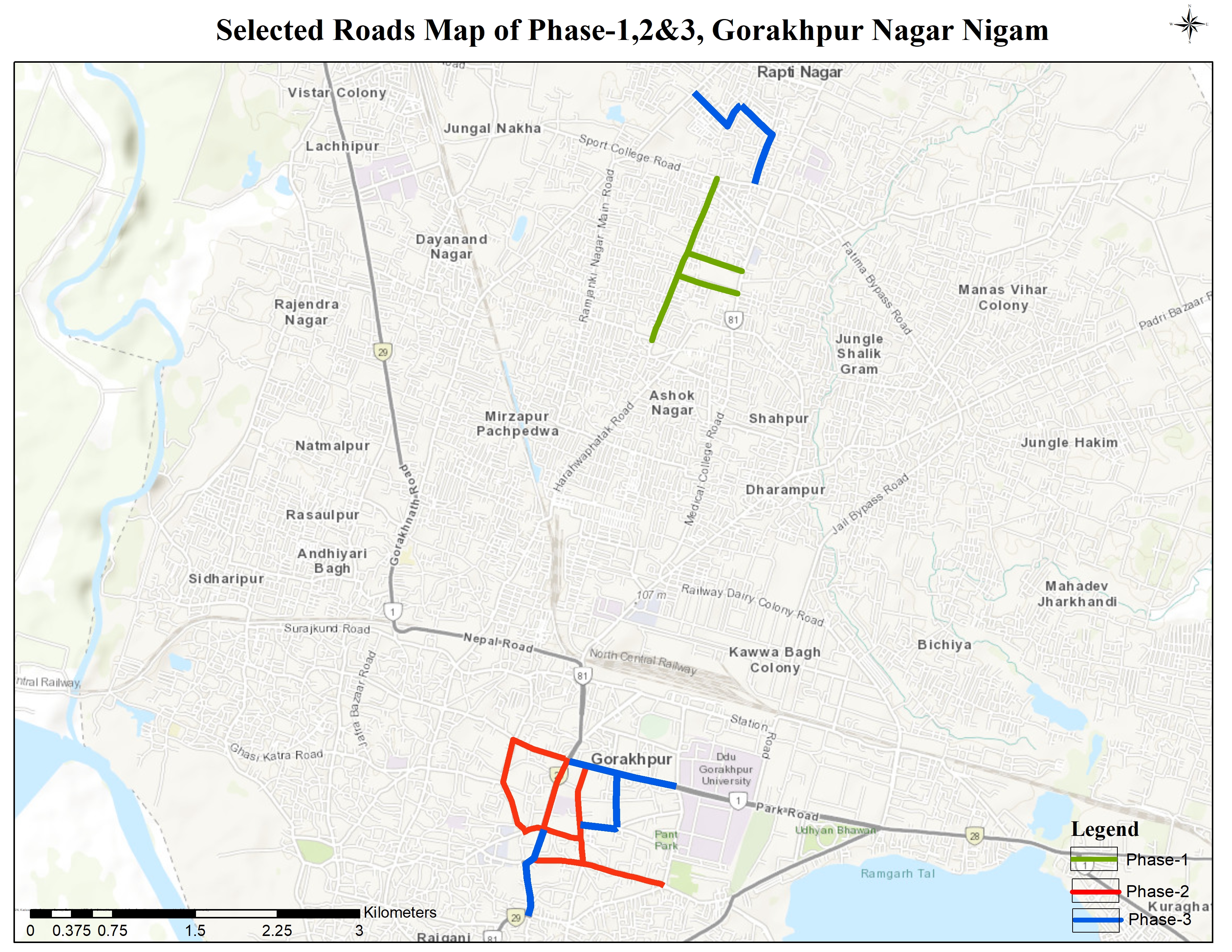
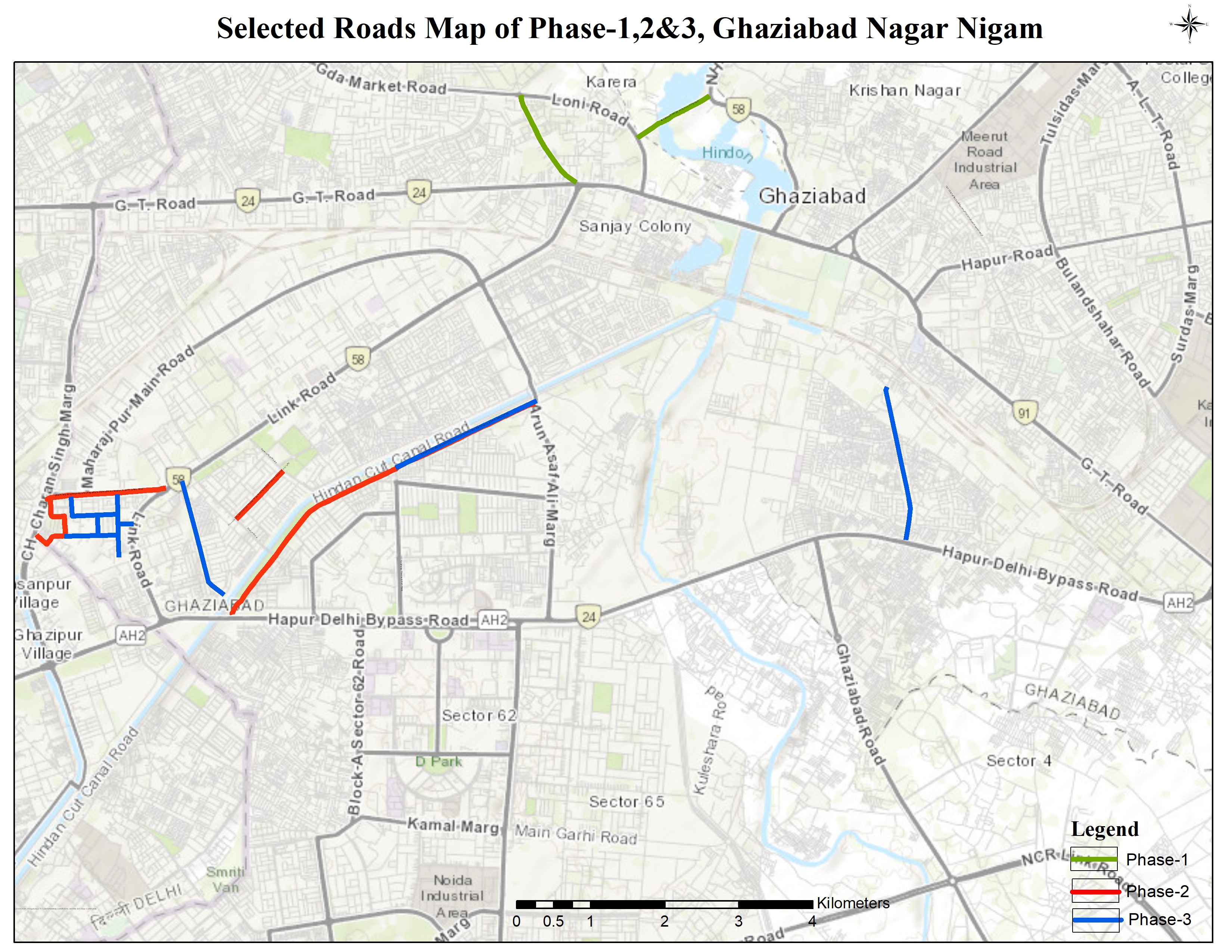
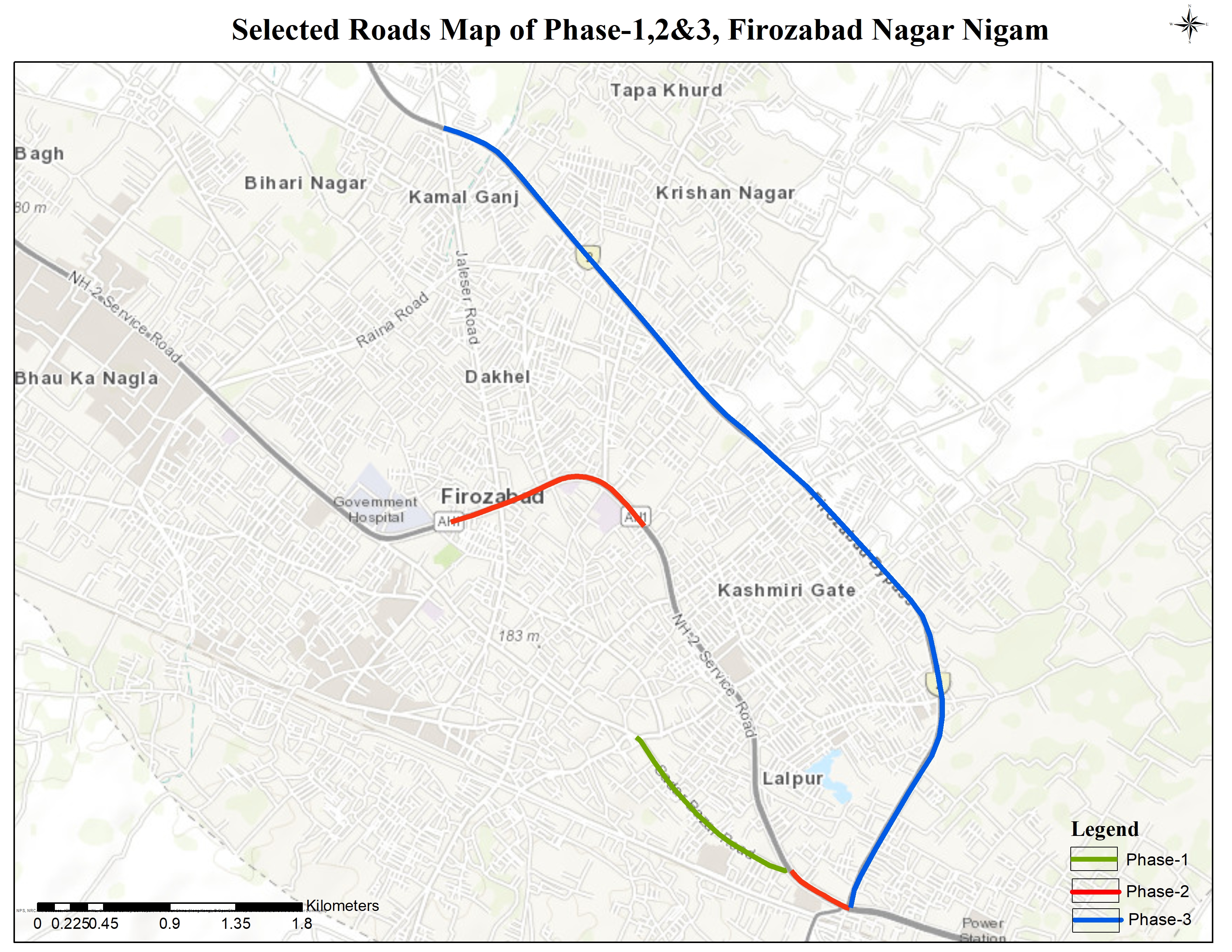
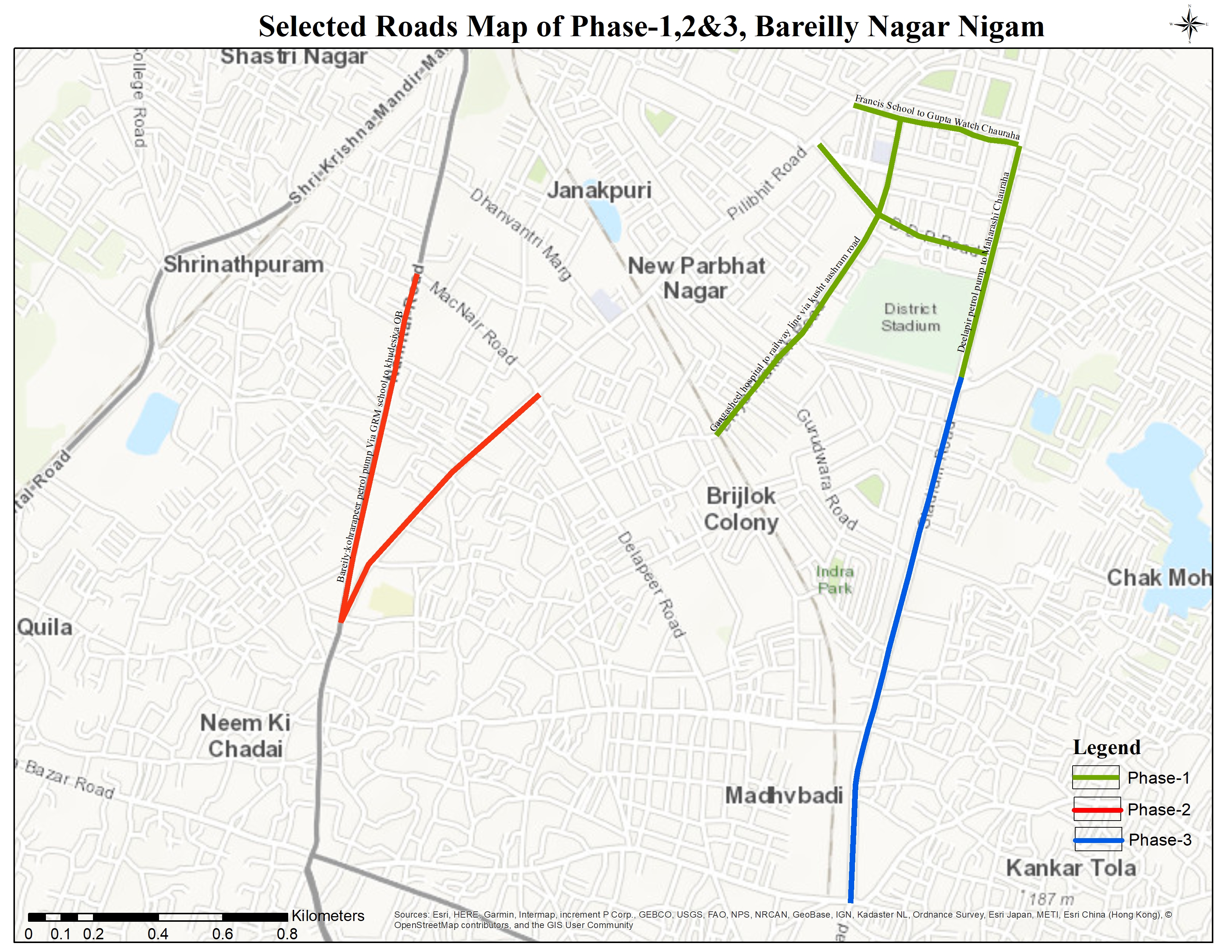
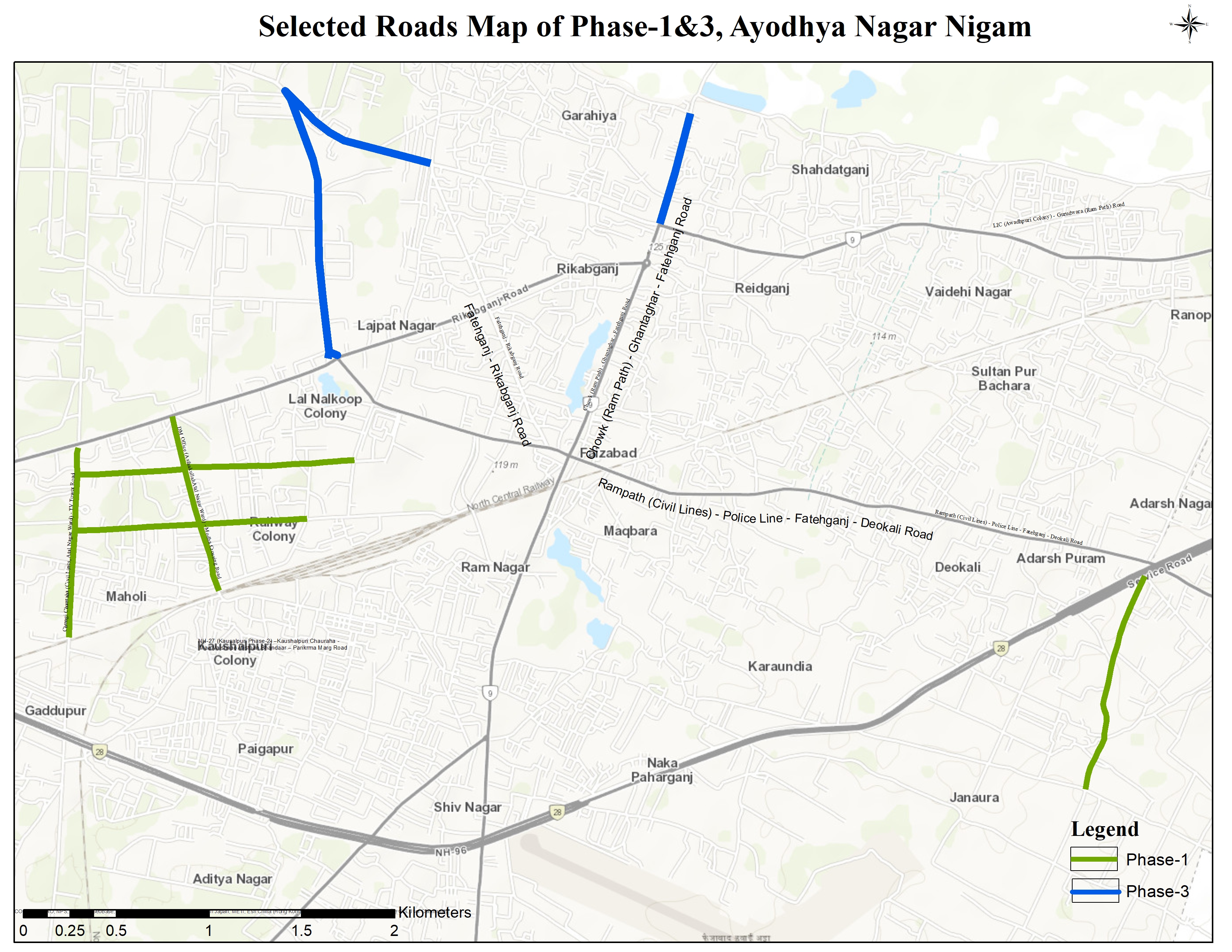
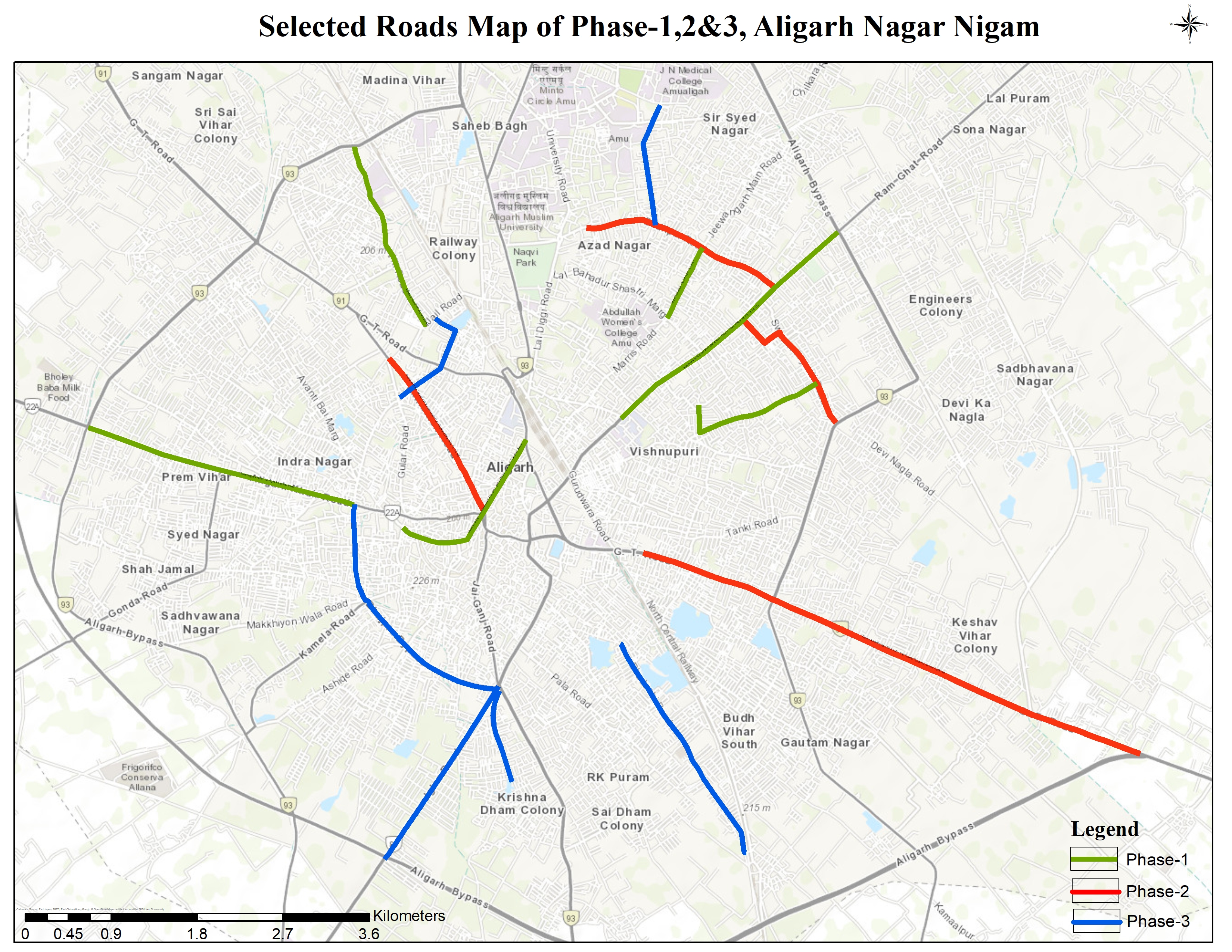
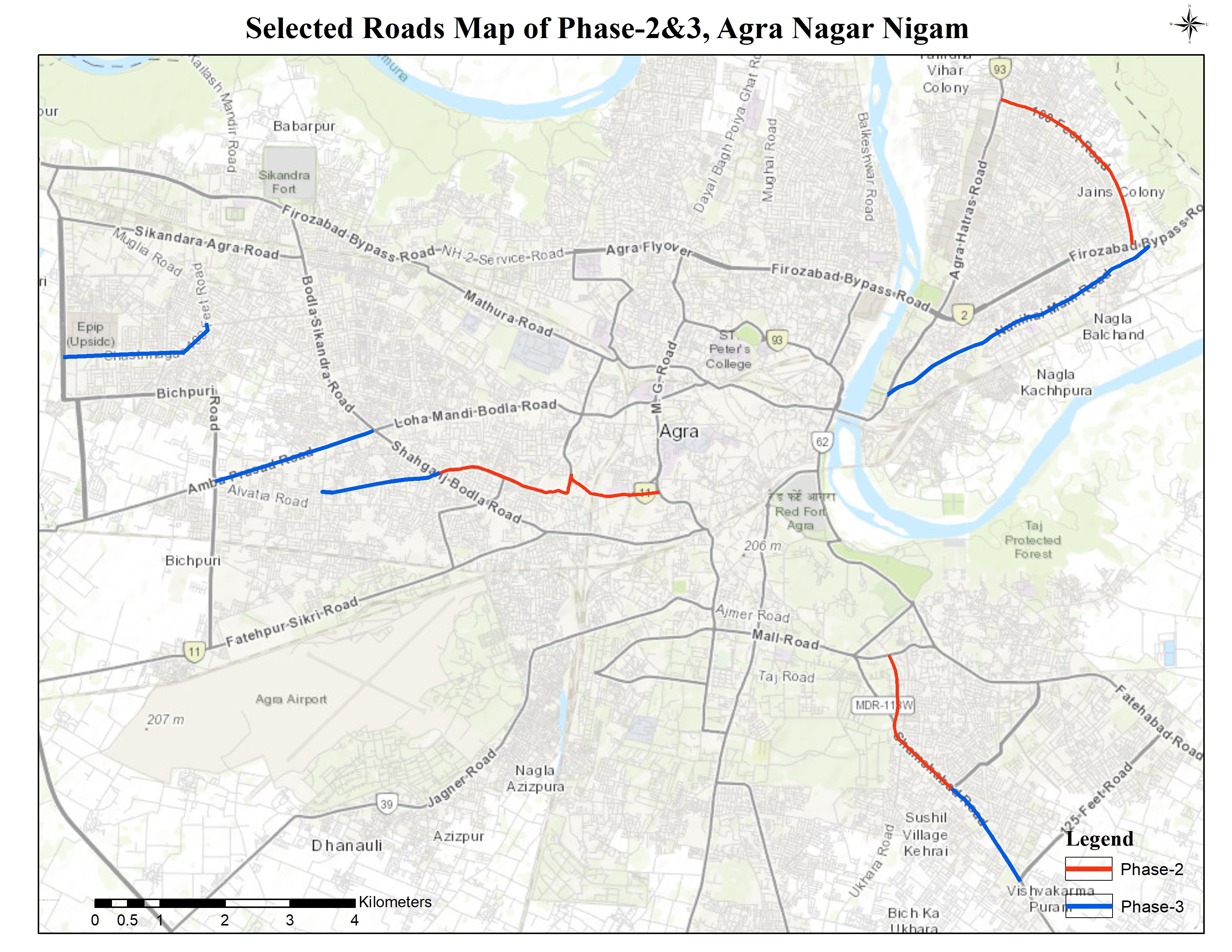
The CM-GRIDS (Urban) initiative is transforming urban roads into safe, inclusive, and people-centred public spaces while strengthening institutional capacity for long-term change. By combining high-quality street design, integrated infrastructure planning, and structured capacity building, the programme is improving walkability, road safety, environmental performance, and urban governance across participating cities.
Key Impact Metrics
93% continuous footpath coverage achieved across Phase 1 corridors, improving accessibility and safety for pedestrians, including women, senior citizens, and persons with disabilities.
Integrated road and utility planning reduced repeated excavation and resource wastage, improving construction efficiency and sustainability outcomes.
15 capacity-building workshops conducted across 16 Nagar Nigams, engaging 260+ engineers, ULB officials, and contractors through a train-the-trainer approach.
Standardised technical frameworks implemented, including the Street Design Manual, Standard Bidding Documents, Green Schedule of Rates, Branding Guidelines, and Maintenance Manual.
Urban road mapping completed and an online project management portal deployed for real-time monitoring and transparent implementation.
URIDA & CM-GRIDS website launched to centralise scheme information, progress dashboards, and technical resources.
Enhanced street environments supporting local economic activity and strengthening the financial and operational capacity of Urban Local Bodies.